
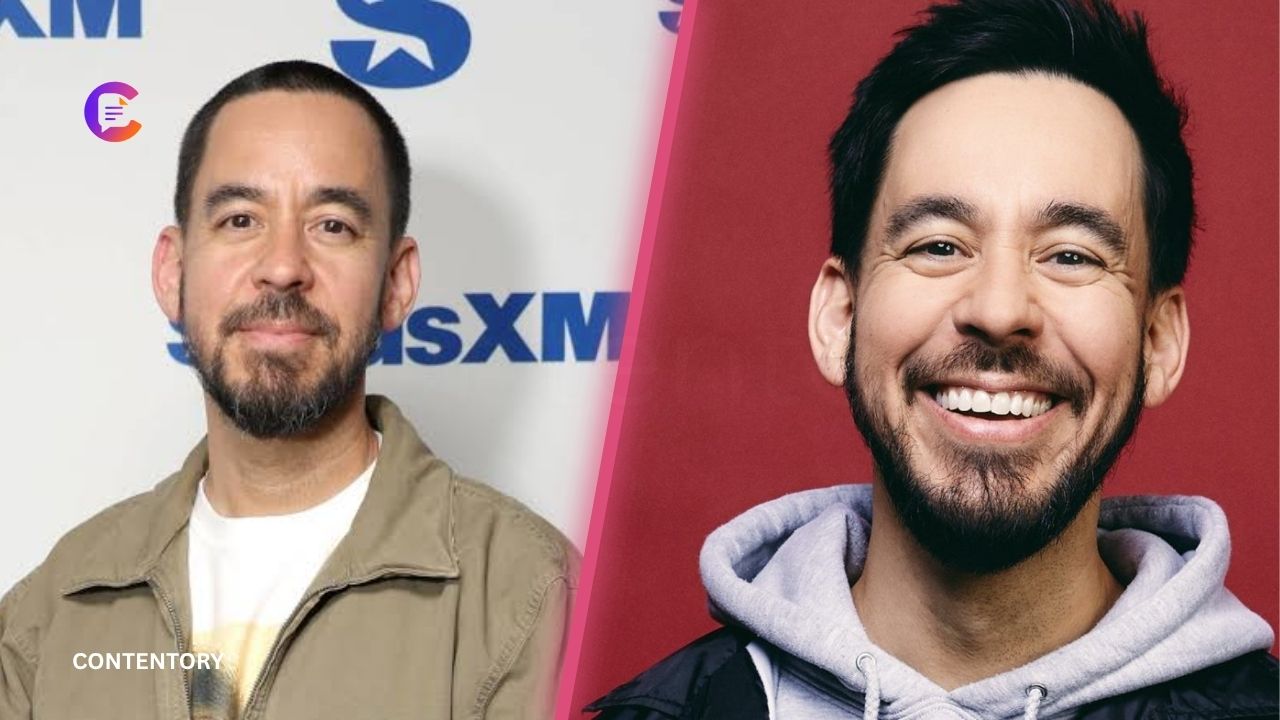
Muto Shinoda is best known as the father of Mike Shinoda, the musician, producer, visual artist, and Linkin Park co-founder. Unlike his famous son, Muto has lived largely outside the public spotlight. As a result, reliable information about his personal life and career remains limited. His story has attracted attention mainly because of the profound family history that Mike has discussed publicly.
Muto’s background is particularly important because his family experienced the forced incarceration of Japanese Americans during World War II. Mike has spoken about how his father’s childhood experiences shaped the family’s understanding of identity, discrimination, and cultural heritage. Those stories later influenced Mike’s creative work, including Fort Minor’s song “Kenji.”
Quick Bio Table
| Attribute | Details |
|---|---|
| Full Name | Muto Shinoda |
| Birth Year | 1939* |
| Nationality | American |
| Ethnic Background | Japanese American |
| Wife | Donna Shinoda |
| Son | Mike Shinoda |
| Other Son | Jason Shinoda |
| Known For | Being Mike Shinoda’s father |
| Family History | Japanese American incarceration during World War II |
| Connection to Music | Family history influenced Mike Shinoda’s work |
| Public Profile | Largely private |
Muto Shinoda’s Early Life and Background
Available family-history records identify Muto Shinoda as being born in 1939, although public sources disagree about his exact birthplace. One genealogy record gives January 22, 1939, and lists Tokyo, Japan, while Mike Shinoda’s own accounts establish that his father’s family was Japanese American and had deep roots in California. Because these sources conflict, his exact birth details should be treated cautiously.
The better-documented part of his childhood concerns the experience of his Japanese American family during World War II. Mike has explained that Muto was about three years old when his family was forced from its home following Executive Order 9066. The family was eventually incarcerated at the Santa Anita racetrack before being transferred to a relocation camp.
His Family’s World War II Experience
The wartime experience became one of the most significant parts of the Shinoda family’s history. After the attack on Pearl Harbor, the United States government forcibly removed many Japanese American families from their homes. Muto was only a young child at the time, yet the experience became part of the family history passed down to later generations.
Mike has described hearing stories about his father’s childhood and the treatment of Japanese Americans during that period. Those stories helped him understand the complicated relationship between Japanese heritage and American identity. They also became a source of inspiration for his later creative work.
Muto Shinoda and Donna Shinoda
Muto Shinoda married Donna Shinoda, and the couple raised their family in Southern California. Their eldest son, Michael Kenji Shinoda, was born on February 11, 1977, in the Panorama City area of Los Angeles. Mike later grew up in Agoura Hills with his younger brother, Jason.
The family environment brought together Japanese heritage and other cultural influences. Mike’s upbringing eventually became an important part of his artistic identity. Although Muto did not pursue public fame, his family history and experiences became an important part of the story surrounding his son’s creative development.
Explore More Unique Article: Elan Ruspoli
Raising Mike Shinoda
Muto’s connection to Mike’s career comes mainly through the values and family stories that Mike has discussed over the years. Mike grew up to become a musician, songwriter, producer, and visual artist. He co-founded Linkin Park in 1996 and became one of the band’s principal creative forces.
Mike’s early interests included music and visual art. His mother encouraged him to take classical piano lessons when he was young, and he later developed interests in guitar, hip-hop, and other musical styles. Muto’s role was less visible, but his family’s history gave Mike a strong connection to questions of heritage and identity.
How Muto Influenced Mike Shinoda’s Music
One of the clearest examples of Muto’s influence appears in Fort Minor’s “Kenji.” Mike released the song in 2005 as part of his hip-hop project Fort Minor. The track explores the experiences of Japanese American families during World War II and draws heavily from stories connected to Mike’s family.
Mike has explained that his father’s experiences helped him understand what happened to Japanese Americans during the war. The song transformed those family memories into a piece of historical storytelling, allowing listeners to encounter the subject through a personal perspective.
Muto Shinoda’s Career and Professional Life
Muto Shinoda’s professional career is not well documented in authoritative public sources. Unlike his son, he did not become a public entertainer, musician, or media personality. Some online biographies claim connections to family businesses or floristry, but those claims lack enough reliable documentation to present them as established facts.
This limited information is important when discussing Muto’s career. Many websites publish detailed biographies about him, but several appear to repeat information without identifying primary sources. A responsible account should therefore distinguish between documented family history and unverified claims about his occupation.
His Private Life Away From Fame
Muto Shinoda has generally remained outside the entertainment industry. His son became internationally famous through Linkin Park, yet Muto did not use that connection to build a public profile of his own. This makes him different from many parents of celebrities who regularly appear in interviews or entertainment coverage.
His private lifestyle also means that details about his current activities, finances, health, and daily life are not reliably available. There is little value in filling those gaps with speculation. What can be established is the importance of his family history and the influence that history had on Mike’s understanding of culture and identity.
Muto Shinoda’s Relationship With His Japanese Heritage
Japanese American identity became an important theme in Mike Shinoda’s life and creative work. Mike has described growing up as a third-generation Japanese American and learning about his family’s experiences during the war. His father’s background gave him a direct connection to a difficult chapter of American history.
That heritage later appeared in Mike’s art and music. Rather than treating family history as something distant, he incorporated it into creative projects. Muto’s experiences therefore became part of a larger story about memory, discrimination, resilience, and cultural identity.
The Connection to Linkin Park
Muto was not a member of Linkin Park and has no established professional role in the band’s music industry. However, his son’s career provides much of the reason people search for his name. Mike co-founded Linkin Park with Brad Delson and Rob Bourdon in the 1990s, and the band eventually became one of the world’s most successful rock groups.
Mike’s success also made his family background more interesting to fans. Listeners who discover “Kenji” often become curious about the real family history behind the song. In that sense, Muto’s story has reached a much wider audience through his son’s work than it ever did through conventional media coverage.
What Is Known About Muto Shinoda Today?
Reliable public information about Muto Shinoda’s present life is limited. He has never maintained the kind of public career that would require frequent interviews, appearances, or official biographies. Consequently, claims about his current occupation, residence, or personal circumstances should be approached carefully.
The most meaningful part of his publicly documented story remains his family legacy. His childhood experience during World War II became an important memory within the Shinoda family and later influenced Mike’s creative interpretation of Japanese American history.
Conclusion
Muto Shinoda’s story is largely a private one, but it carries historical significance because of the experiences his family endured during World War II. His son Mike Shinoda has repeatedly discussed how his father’s Japanese American background and childhood experiences shaped his own understanding of heritage, discrimination, and identity.
Although Muto never pursued public fame himself, his influence can be seen through the stories that reached the next generation. Those memories became part of Mike’s artistic perspective and ultimately inspired “Kenji,” giving Muto’s family history a place within a much larger cultural conversation.
Frequently Asked Questions
Who is Muto Shinoda?
Muto Shinoda is best known as the father of Mike Shinoda, the co-founder and co-lead vocalist of Linkin Park. He has maintained a largely private life outside the entertainment industry.
Is Muto Shinoda Mike Shinoda’s father?
Yes. Mike Shinoda’s biography identifies Muto and Donna Shinoda as his parents. Mike was born in 1977 and later became a founding member of Linkin Park.
What happened to Muto Shinoda during World War II?
Mike has said that Muto was about three years old when his Japanese American family was forcibly removed from its home during World War II.
Who is Muto Shinoda’s wife?
Muto Shinoda is publicly identified as the husband of Donna Shinoda, Mike Shinoda’s mother.
How many children does Muto Shinoda have?
Public biographical information identifies two sons, Mike Shinoda and Jason Shinoda. Mike is the more publicly recognized member of the family.
STAY FOR MORE UPDATE: CONTENTORY