

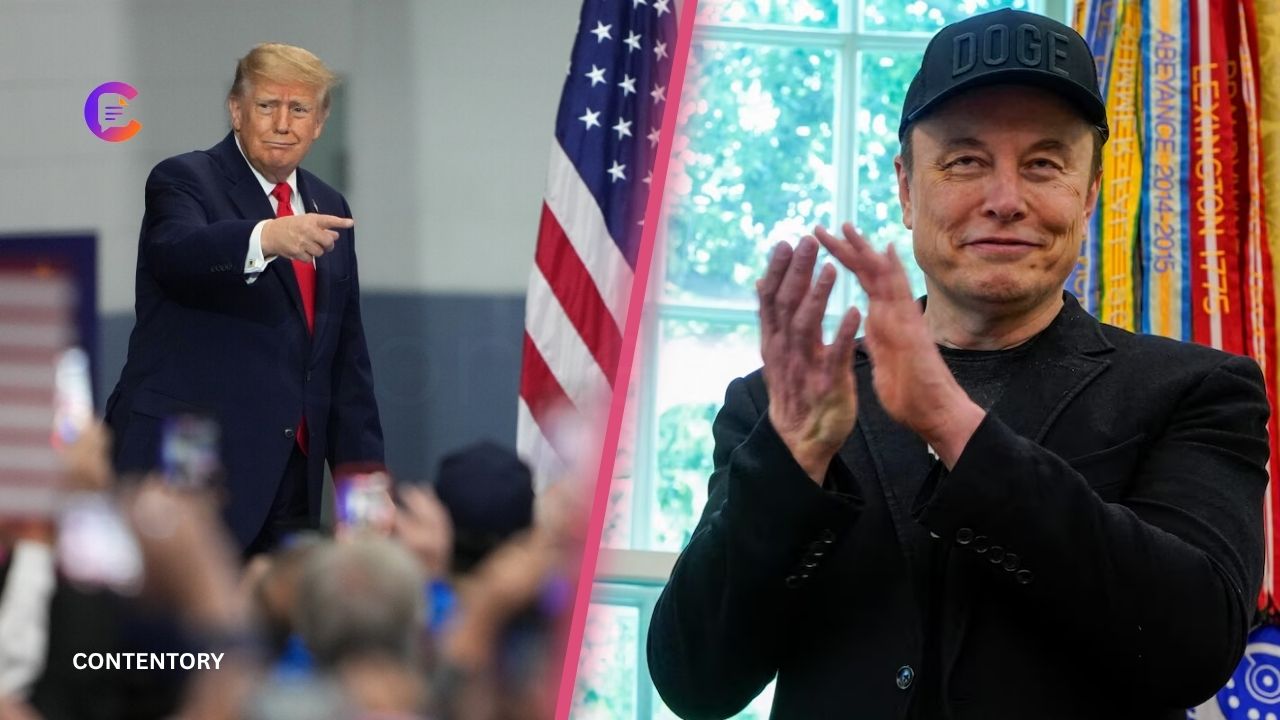
Donald Trump and Elon Musk became two of the most influential figures in American politics and business during the 2024 presidential election. Trump brought decades of political experience and a loyal Republican base, while Musk contributed enormous financial resources, a major social media platform, and influence across technology industries. Their alliance attracted attention because it connected the presidency with one of the world’s most prominent technology entrepreneurs. However, their partnership would later face serious disagreements over government spending, political influence, and policy priorities.
Their relationship has experienced sharp changes, including public criticism, threats involving government contracts, and a later return to cooperation. Musk supported Trump’s election campaign and subsequently became involved in the administration’s efforts to reduce federal spending. Tensions escalated in 2025 after Musk criticized Trump’s major tax and spending legislation. By October 2026, news reports described the two men as having renewed their political alignment. Understanding this relationship requires examining its beginnings, its breakdown, and the interests that brought them together again.
Quick Bio Donald Trump and Elon Musk
| Detail | Donald Trump | Elon Musk |
|---|---|---|
| Full name | Donald John Trump | Elon Reeve Musk |
| Born | June 14, 1946 | June 28, 1971 |
| Nationality | American | American |
| Main fields | Politics and real estate | Technology, engineering, and entrepreneurship |
| Best known for | Business career and U.S. presidency | Tesla, SpaceX, and ownership of X |
| Political association | Republican Party | Has supported Republican candidates and causes |
| Major connection | President of the United States | Technology entrepreneur and political donor |
| Government role in 2025 | President | Led the Department of Government Efficiency initiative |
| Main public platform | Truth Social and official communications | X |
Before the Alliance Different Paths to Influence
Trump and Musk did not begin their public careers as close political allies. Trump became famous through real estate, television, and branding before entering presidential politics. He won the 2016 election, served as president from 2017 to 2021, and continued to shape Republican politics after leaving office. His political approach emphasized immigration restrictions, deregulation, trade changes, and an America First agenda.
Musk developed his reputation through technology companies, including PayPal, Tesla, and SpaceX. His businesses cover electric vehicles, space transportation, satellite communications, and artificial intelligence. For years, his public positions did not consistently align with Trump’s political agenda. Musk supported candidates from different political backgrounds and sometimes criticized government policies. Their relationship shifted more clearly in 2024, when Musk became an outspoken Trump supporter and committed substantial financial resources to Republican election efforts.
Musk’s Support for Trump in the 2024 Election
Musk publicly endorsed Trump in July 2024 after an assassination attempt against the Republican candidate at a campaign rally in Pennsylvania. He subsequently appeared at Trump events and used X to amplify political messages. His support mattered because the platform reaches millions of users and allows political arguments to spread rapidly. Musk also spent heavily through political groups supporting Trump and other Republican candidates.
Campaign finance reporting documented Musk’s spending of hundreds of millions of dollars during the 2024 election cycle. His support brought Trump a high-profile ally from the technology sector and helped mobilize donors and voters sympathetic to Musk’s political views. The alliance also attracted criticism from people concerned about the influence of wealthy individuals in elections. Supporters viewed Musk as an entrepreneur challenging government inefficiency, while critics questioned the relationship between private wealth and public decision-making.
Read Who Is Storm Brieanne Sixx? A Closer Look at Her Life Beyond Rock Fame
The Department of Government Efficiency
After Trump returned to the White House in January 2025, Musk became a leading figure in the Department of Government Efficiency initiative, commonly known as DOGE. The initiative aimed to reduce federal spending, streamline government operations, and cut what its supporters described as wasteful bureaucracy. Musk’s participation brought a technology entrepreneur into a highly visible role in government restructuring and gave him access to discussions about federal agencies and spending priorities.
DOGE became controversial because of its approach to staffing, contracts, and government programs. Supporters argued that federal operations needed stronger accountability and faster modernization. Critics raised concerns about transparency, legal authority, conflicts of interest, and the consequences of rapid cuts. Musk’s role also created questions about how his private companies might be affected by federal decisions. These tensions helped expose the differences between Musk’s priorities and the political responsibilities of the administration.
Why Trump and Musk Began to Disagree
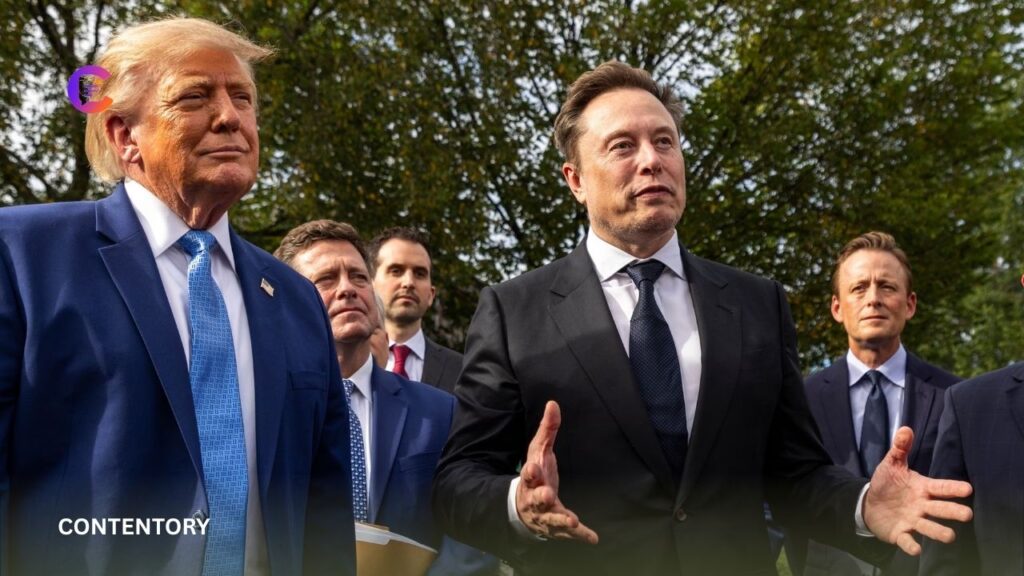
The most visible rupture emerged in 2025, when Musk criticized Trump’s major tax and spending bill. Musk argued that the legislation would increase federal deficits and undermine the spending reductions he had advocated. Trump, meanwhile, viewed the bill as central to his domestic agenda. Their disagreement demonstrated that shared political interests did not guarantee agreement on government spending or economic policy.
Other tensions also contributed to the breakdown. Musk’s influence within the administration had limits, and Trump’s team retained control over major decisions. A dispute over the withdrawal of Jared Isaacman’s nomination to lead NASA reportedly deepened Musk’s frustration. Isaacman was a business figure with close ties to Musk’s space interests. The disagreement over legislation and appointments revealed a basic conflict: Musk wanted influence over policy outcomes, while Trump remained focused on advancing his own political priorities.
The Public Feud of June 2025
In June 2025, the disagreement developed into an unusually public feud. Musk attacked Trump’s spending legislation on X, and Trump responded by criticizing Musk and raising the possibility of cutting federal subsidies or contracts involving Musk’s companies. Their exchanges spread quickly across social media and major news outlets. The dispute turned a once-celebrated political partnership into a public confrontation between two figures with substantial economic and political influence.
The feud also raised concerns about the practical consequences of their conflict. Tesla and SpaceX operate in areas affected by federal regulations, procurement, and government partnerships. Investors considered whether political retaliation could affect those businesses, while political observers questioned whether the split would weaken Republican fundraising and campaign outreach. Musk later expressed regret over some of his posts, and Trump indicated that he did not want the dispute to dominate his agenda. However, their relationship remained uncertain for some time.
From Public Conflict to Reconciliation
After the public fallout, signs of renewed communication gradually emerged. Reporting in 2026 described the two men as having repaired their relationship and resumed cooperation around shared political goals. The reconciliation did not erase their earlier disagreements, but it showed that both had reasons to maintain contact. Trump benefits from relationships with influential donors and technology leaders, while Musk has business and policy interests that intersect with federal decisions.
By October 2026, their relationship had become more cooperative in public. Le Monde reported that Trump presented Musk with the National Medal of Science on October 8 and that Musk had attended White House events. The report also described renewed political alignment ahead of the midterm elections. Such developments suggest a practical rapprochement, but they do not prove that every earlier disagreement has disappeared. Their relationship remains shaped by shared objectives as well as competing interests.
Musk’s Political Spending and the 2026 Midterms
Musk’s renewed political activity has become a significant part of the 2026 election cycle. An Associated Press report published in October 2026 said he had contributed more than $276 million since July to support Republican candidates and causes. The report described major donations to groups seeking to preserve Republican congressional majorities. His spending marked a renewed commitment to electoral politics after he had previously suggested he would reduce his political involvement.
These contributions have intensified debate about the role of wealthy donors in American elections. Supporters argue that individuals have the right to support candidates who share their views. Critics warn that enormous political spending can give a small number of wealthy people disproportionate influence. Musk’s spending also illustrates why his relationship with Trump remains politically important. Their interests may overlap on some issues, but the extent of their influence depends on voters, lawmakers, legal rules, and the decisions of political organizations.
How Their Relationship Affects Business and Technology
The Trump-Musk relationship has implications beyond electoral politics. Musk’s companies operate in sectors where government policy matters, including electric vehicles, space launches, satellite communications, and artificial intelligence. Federal contracts, regulations, tax incentives, and trade policies can affect their operating environment. As a result, changes in Musk’s relationship with the administration can attract attention from investors, employees, competitors, and customers.
The relationship also raises wider questions about technology companies and public power. Governments increasingly rely on private companies for digital infrastructure, communications, advanced manufacturing, and defense-related technologies. That creates opportunities for innovation but also raises questions about accountability, competition, and conflicts of interest. Trump’s dealings with Musk have brought these questions into public discussion. The key issue is not simply whether the two men get along, but how decisions are made when private business interests intersect with government responsibilities.
Read Nelson Peltz and Amancio Ortega Two Billionaires, Two Business Paths
What Their Relationship Means for American Politics
The alliance and feud demonstrate how personal relationships can influence political debate, especially when influential business leaders become closely involved in campaigns and government initiatives. Musk’s support gave Trump access to financial resources and a large online audience. In return, Musk gained unusual visibility in federal policymaking during his time leading DOGE. Their disagreement showed that the relationship had limits when their policy priorities diverged.
Their reported reconciliation ahead of the 2026 midterms suggests that political alliances can recover when shared interests outweigh previous conflict. However, a renewed relationship does not guarantee agreement on every issue. Federal spending, regulation, trade, technology policy, and government contracts may continue to create tension. Their story also highlights the importance of transparency and public scrutiny when influential private individuals play prominent roles in government affairs.
Conclusion
Donald Trump and Elon Musk moved from political allies to public adversaries and later toward renewed cooperation. Musk supported Trump’s 2024 campaign, contributed significant political funding, and helped lead the Department of Government Efficiency initiative. Their relationship fractured in 2025 over spending legislation, government influence, and other disagreements. The public feud revealed that their shared political goals could not prevent major conflicts over policy and authority.
By October 2026, reporting described a renewed alliance as both men turned their attention toward the midterm elections and other shared priorities. Their relationship remains important because it connects the presidency, technology companies, political donations, and government policy. Yet it should not be viewed as a simple friendship story. It is an evolving partnership shaped by strategic interests, public disagreements, and the broader debate about the role of private wealth in American politics.
Frequently Asked Questions
Why did Trump and Musk become political allies?
Musk endorsed Trump in July 2024 and later supported his campaign financially and through public advocacy. They shared some priorities involving government efficiency, deregulation, and Republican electoral goals.
Why did Trump and Musk fall out in 2025?
Their relationship deteriorated after Musk criticized Trump’s major tax and spending bill. Disagreements over policy, influence within the administration, and government appointments also contributed to the conflict.
What was DOGE?
DOGE stood for the Department of Government Efficiency initiative, which sought to reduce federal spending and streamline government operations. Musk became its most visible figure in early 2025.
Did Trump threaten Musk’s businesses?
During their 2025 feud, Trump publicly raised the possibility of ending federal subsidies and contracts involving Musk’s companies. The comments heightened concerns about the intersection of politics and business.
Did Musk apologize to Trump?
In June 2025, Musk expressed regret for some of his posts about Trump, saying he had gone too far. The exchange helped ease the immediate conflict but did not resolve every underlying disagreement.
Are Trump and Musk allies again in 2026?
Recent reporting in October 2026 describes their relationship as renewed or reconciled. Their earlier disputes remain part of the record, and future disagreements are still possible.
How much money has Musk spent on politics in 2026?
An Associated Press report published in October 2026 said Musk had contributed more than $276 million since July to support Republican candidates and political groups.
Why is their relationship important to technology companies?
Musk’s businesses operate in sectors affected by federal regulation, procurement, and policy. His relationship with the administration can therefore draw attention from investors and other stakeholders.
Get More Update CONTENTORY