

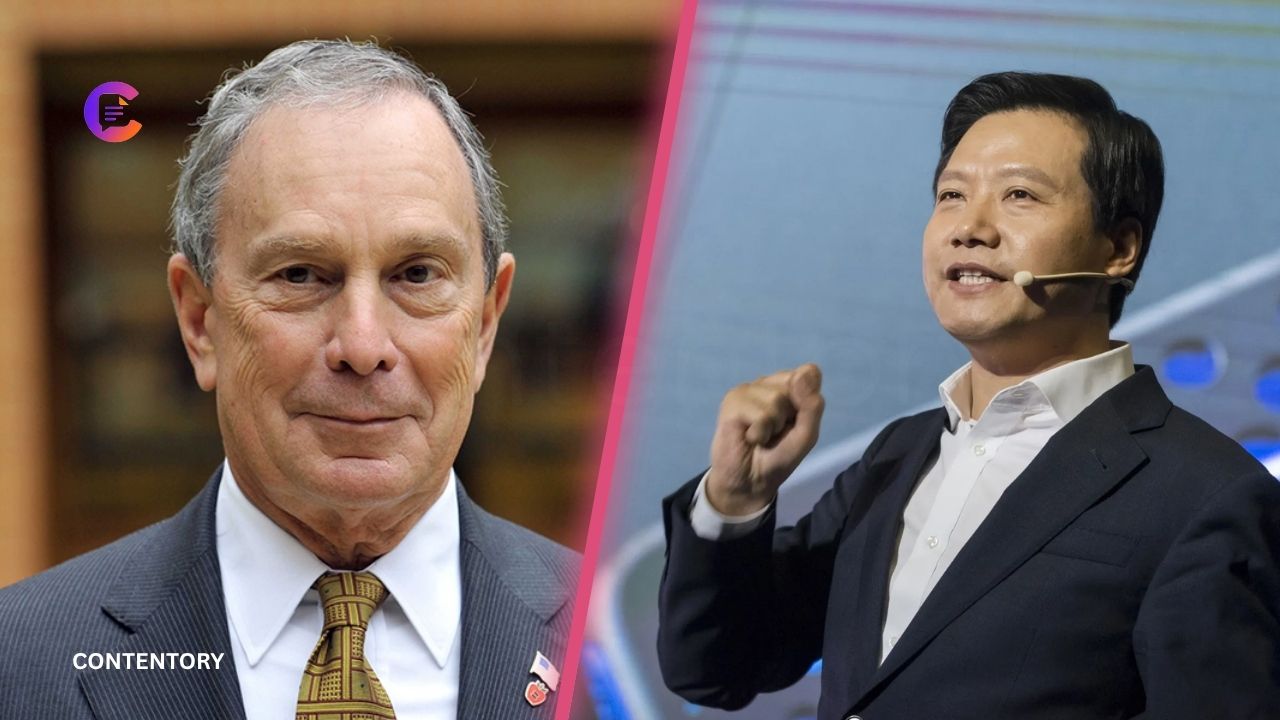
Michael Bloomberg and Lei Jun built influential careers by recognizing opportunities and turning ideas into successful businesses. Bloomberg became a major figure in financial information, media, public service, and philanthropy. Lei Jun established his reputation in China’s technology industry through software, smartphones, and connected consumer devices. Although their professional backgrounds differ, both demonstrate how business leadership can extend beyond a single company or industry.
Their stories also highlight different approaches to innovation. Bloomberg used financial data and technology to help professionals make informed decisions. Lei Jun focused on making technology products accessible to broad audiences through Xiaomi and other ventures. Neither man’s success can be explained by one decision alone. Their careers reflect years of experience, strategic choices, changing markets, and the ability to build organizations around specific needs.
Quick Bio Michael Bloomberg and Lei Jun
| Detail | Michael Bloomberg | Lei Jun |
|---|---|---|
| Full name | Michael Rubens Bloomberg | Lei Jun |
| Birth | February 14, 1942 | December 1969 |
| Nationality | American | Chinese |
| Education | Johns Hopkins University; Harvard Business School | Wuhan University, computer science |
| Main industry | Financial technology, data, media | Technology, electronics, software |
| Best known for | Bloomberg L.P. and serving as New York City mayor | Co-founding and leading Xiaomi |
| Major business | Bloomberg L.P. | Xiaomi Corporation |
| Philanthropic interests | Public health, education, climate, arts, cities | Donations supporting education and research |
| Leadership roles | Entrepreneur, former mayor, philanthropist | Technology entrepreneur and business executive |

Michael Bloomberg’s Early Life and Education
Michael Bloomberg was born in Boston, Massachusetts, on February 14, 1942. He grew up in Medford, Massachusetts, in a middle-class family. His early experiences helped shape his interest in education, professional development, and public service. Bloomberg attended Johns Hopkins University, where he earned an engineering degree. He later studied at Harvard Business School, building the business knowledge that supported his future career in finance and entrepreneurship.
After completing his education, Bloomberg joined Salomon Brothers in 1966. He advanced through positions involving securities trading, sales, and information systems. These responsibilities gave him practical experience with financial markets and the information professionals needed to make decisions. In 1981, after the firm was acquired, Bloomberg left the company. That setback became a turning point and helped motivate him to establish his own financial technology business.
How Bloomberg Built a Financial Information Business
Bloomberg founded Bloomberg L.P. in 1981 with a vision of improving access to financial information. At the time, investment professionals needed reliable market data and efficient tools for analyzing it. Bloomberg’s company developed computer-based financial information services that combined data, analytics, and communication features. Its terminal became a central product for banks, investment firms, traders, and other financial professionals who depended on timely market information.
The company’s business model extended beyond selling technology. It combined specialized information with tools that helped customers interpret markets and communicate with colleagues. This integrated approach encouraged long-term relationships with clients whose daily work depended on the service. Bloomberg L.P. subsequently expanded into news, media, and other professional services. Its development illustrates how a business can establish a strong position by solving a recurring problem for a clearly defined audience.
Michael Bloomberg’s Career in Public Service
Bloomberg entered electoral politics after establishing his business career. New York City voters elected him mayor in 2001, and he took office in January 2002. He served three consecutive terms, remaining mayor until the end of 2013. His administration addressed education, public health, economic development, city management, and environmental concerns. The mayor’s office offered him a different platform for applying data-driven approaches to complicated public challenges.
His administration pursued policies that attracted both support and criticism. Public health measures, including restrictions on smoking in indoor workplaces, became prominent parts of his record. His government also promoted changes in education, urban development, and city services. Bloomberg’s mayoral career demonstrates how business experience can influence public administration, although running a city involves political accountability and competing public priorities that differ considerably from operating a private company.
Bloomberg’s Philanthropy and Broader Influence
After leaving City Hall, Bloomberg returned to a more active role at his company while expanding his philanthropic work. Bloomberg Philanthropies supports initiatives involving public health, education, environmental protection, the arts, and government innovation. Its approach emphasizes measurable outcomes, partnerships, and the use of evidence to address social problems. The organization works with institutions and local leaders rather than relying on a single approach across every community.
Education has been an important part of Bloomberg’s giving. In 2018, he committed $1.8 billion to Johns Hopkins University to support financial aid and need-blind admissions. His wider philanthropy has also supported climate initiatives, public health campaigns, and efforts to improve city governance. These activities extend his influence beyond business and politics. They also reflect his belief that private resources can help address problems when organizations set clear goals and evaluate their results.
Lei Jun’s Early Life and Education
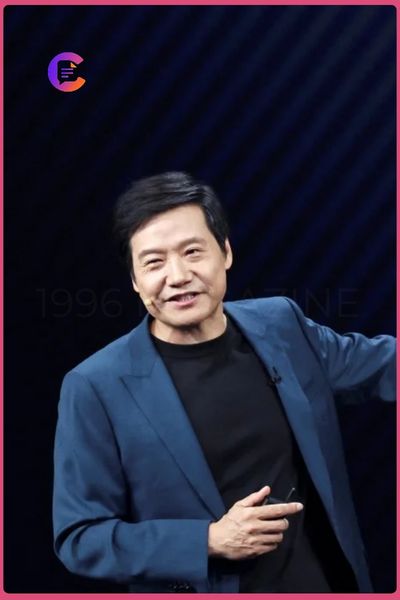
Lei Jun was born in December 1969 and studied computer science at Wuhan University, graduating in 1991. His technical education provided a foundation for a career in software and technology businesses. He joined Kingsoft in 1992 and gradually took on senior responsibilities. His experience there helped him understand software development, business operations, and the challenges of competing in China’s evolving technology sector.
In 2000, Lei founded Joyo.com, an online retail platform that later attracted Amazon’s attention. Amazon acquired the business in 2004, marking an important milestone in Lei’s entrepreneurial journey. His work also extended into angel investing, through which he supported other technology ventures. These early experiences helped him develop a broad view of the technology market, including software, online commerce, investment, and the changing relationship between devices and digital services.
Building Xiaomi Into a Technology Brand
Lei Jun co-founded Xiaomi in 2010 and became its leading public figure. The company entered a competitive smartphone market with an emphasis on combining appealing designs, capable hardware, software features, and accessible pricing. Xiaomi built a community around its products and expanded its catalogue over time. Its business grew beyond smartphones to include connected home devices, televisions, wearables, and other consumer electronics.
Xiaomi’s approach depends on more than the sale of individual devices. Its wider product ecosystem encourages customers to connect multiple products and services. This strategy can improve convenience for users while giving the company opportunities to build lasting customer relationships. Xiaomi has also expanded internationally, although it faces different competitors, regulations, consumer expectations, and supply-chain conditions across markets. Its growth reflects the opportunities and challenges of building a technology brand on a global scale.
Explore Anthropic Stock Price Expected Valuation, IPO Plans, and Outlook
Lei Jun’s Leadership and Business Strategy
Lei Jun’s public leadership style places considerable emphasis on products, technology, and direct communication with consumers. His presentations often explain product features and company ambitions to large audiences. This visibility helps Xiaomi communicate its identity and create interest around launches. However, product marketing alone does not sustain a technology company. Long-term performance also depends on engineering, manufacturing, customer support, software development, and the ability to respond to competition.
His experience at Kingsoft and Joyo.com gave him exposure to different parts of the digital economy before Xiaomi became his best-known venture. That background may help explain the breadth of Xiaomi’s business interests. The company operates across hardware and software, while also developing products that connect into a larger ecosystem. Lei’s career shows how experience across several technology sectors can inform a founder’s approach to building a company, though every new market brings its own risks.
Xiaomi’s Expansion Into Electric Vehicles
Xiaomi’s move into electric vehicles represents a significant expansion beyond its traditional consumer electronics business. The company introduced its SU7 electric sedan in 2024, bringing its brand into a sector shaped by rapid technological change and intense competition. Electric vehicles require expertise in areas that differ from smartphone manufacturing, including vehicle safety, battery systems, production capacity, servicing, and compliance with automotive regulations.
The expansion also reflects the growing overlap between electronics, software, and transportation. Connected features and digital interfaces create opportunities for technology companies, but success requires more than brand recognition. Xiaomi must compete with established automakers and newer electric-vehicle manufacturers while meeting customer expectations for reliability and safety. The project adds another dimension to Lei Jun’s leadership story and illustrates the challenges involved when a technology company enters a capital-intensive industry.
Michael Bloomberg and Lei Jun: Comparing Their Success
Bloomberg and Lei Jun built their reputations in different markets. Bloomberg concentrated on professional financial information, data tools, and media before moving into public office and large-scale philanthropy. Lei developed his career through software, online commerce, investment, and consumer technology. Bloomberg’s business serves professionals who need specialized information, while Xiaomi reaches consumers through devices and an expanding network of connected products.
Their careers nevertheless share several themes. Both identified opportunities in markets undergoing technological change, developed organizations around customer needs, and expanded their influence beyond their original businesses. Bloomberg applied his resources to civic initiatives and philanthropy, while Lei’s work has increasingly connected consumer electronics with other technology-driven sectors. Their experiences show that success can take different forms and that leadership often requires adapting as industries and public expectations change.
Read Jenny Failla What to Know About Jimmy Failla’s Wife and Family Life
Conclusion
Michael Bloomberg and Lei Jun illustrate two distinct paths to entrepreneurial success. Bloomberg transformed financial information services into a global business before serving as New York City mayor and supporting philanthropic initiatives. Lei Jun developed experience in software and online commerce before co-founding Xiaomi, which grew into a major consumer technology company and entered the electric-vehicle market. Their professional journeys reflect different industries, but both depend on identifying opportunities and building organizations capable of responding to changing needs.
Their influence also reaches beyond their best-known companies. Bloomberg’s work spans public service, education, public health, and climate initiatives. Lei’s leadership continues to shape Xiaomi’s products and its efforts to compete across technology markets. There is no widely documented direct business partnership between the two men, so their connection is best understood as a comparison of their careers. Studying both offers useful insight into entrepreneurship, innovation, organizational growth, and the varied responsibilities that accompany success.
Frequently Asked Questions
Who is Michael Bloomberg?
Michael Bloomberg is an American entrepreneur, philanthropist, and former mayor of New York City. He founded Bloomberg L.P., a financial information and media company, in 1981.
Who is Lei Jun?
Lei Jun is a Chinese technology entrepreneur best known as the founder, chairman, and CEO of Xiaomi. He previously held senior roles at Kingsoft and founded the online retailer Joyo.com.
What is Michael Bloomberg best known for in business?
Bloomberg is best known for building Bloomberg L.P. and its financial information services, including tools used by investment professionals and financial institutions.
What is Lei Jun best known for?
Lei Jun is best known for co-founding Xiaomi in 2010 and helping the company expand from smartphones into connected consumer electronics and electric vehicles.
Did Michael Bloomberg and Lei Jun work together?
There is no widely documented direct business partnership between Bloomberg and Lei Jun. Their careers are more appropriately compared through their separate achievements in finance, technology, and leadership.
What did Michael Bloomberg do before entering politics?
Before becoming mayor of New York City, Bloomberg worked at Salomon Brothers and founded Bloomberg L.P. He built his reputation in financial technology before entering public service.
What companies did Lei Jun work with before Xiaomi?
Lei Jun joined Kingsoft in 1992 and founded Joyo.com in 2000. His earlier experience in software and online retail helped prepare him for his later work at Xiaomi.
Does Xiaomi make electric vehicles?
Yes. Xiaomi introduced its SU7 electric sedan in 2024, marking its entry into the electric-vehicle industry.
Get More Update CONTENTORY