
You cannot touch fabric through a screen. You cannot run a thumb over the embroidery or hold a dupatta up to the light. Yet you can still learn a great deal about an outfit before you buy it.
The clues are on the product page, if you know where to look. Ask it these seven questions, and you will be able to tell a well made Eid formal from a disappointing one long before the parcel lands at your door.
1. What Exactly Is the Fabric?
Look for a precise name. “Raw silk”, “pure chiffon” and “velvet” tell you far more than vague words like “premium fabric” or “festive material”. Watch the small print too. A “silk blend” or “chiffon look” usually means a mix with synthetic fibers, which can feel stiffer and trap heat. Blends are fine at the right price. Just know what you are paying for.
2. Can You Zoom In on the Embroidery?
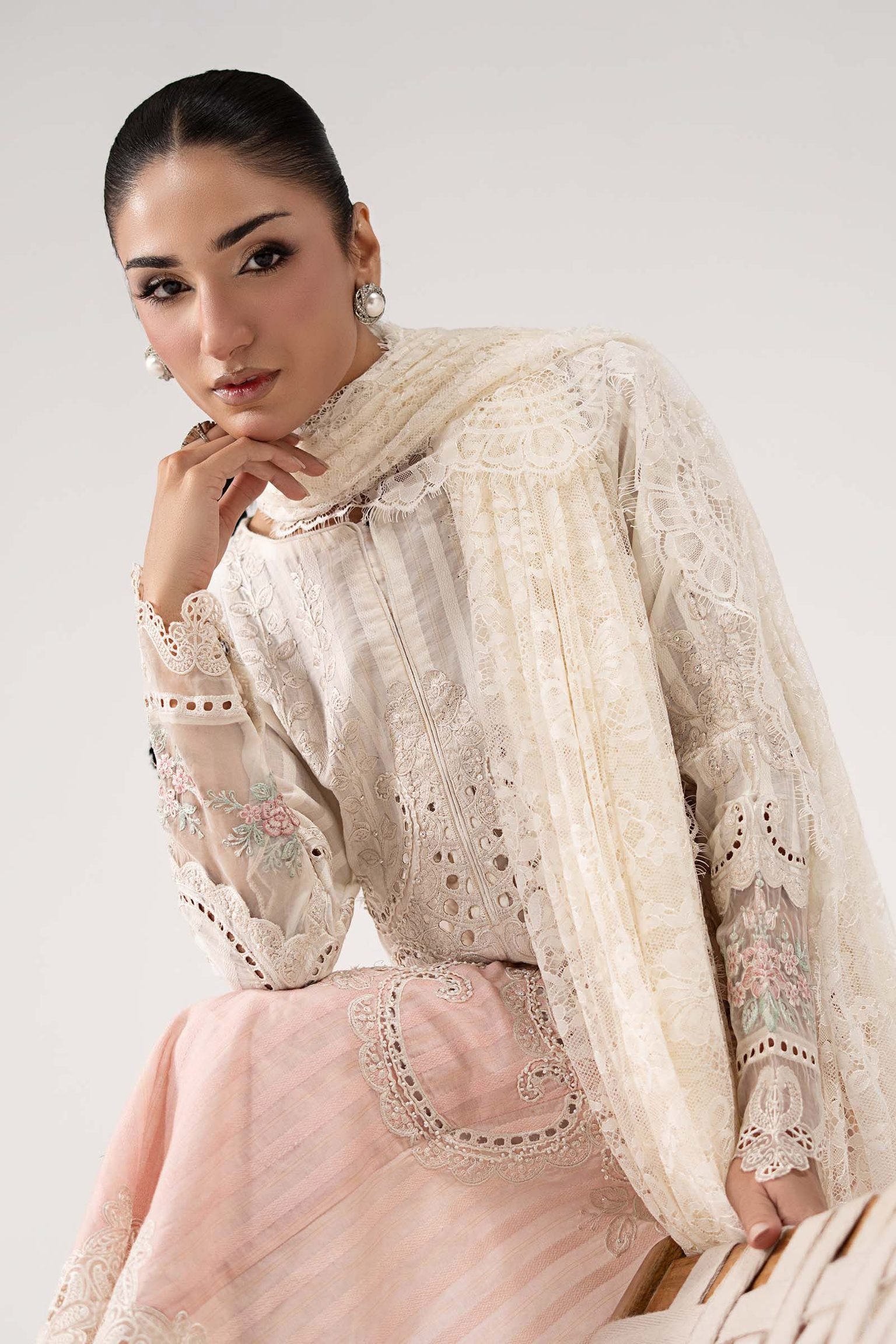
Good brands show close up shots of the neckline, sleeves and borders. Zoom in as far as the image allows. Dense, even stitches with sharp edges are a sign of careful work. Gaps, fuzzy outlines or patches where the base fabric shows through suggest a rushed finish. Metallic threads should look bright and smooth, with no dull or frayed spots.
3. Is It Hand Work or Machine Work?
Both have their place, and many formals combine the two. Machine embroidery gives a neat, regular pattern. Hand embellishment, such as zardozi, dabka, beads or sequins, adds depth and texture. Product descriptions often mention “hand embellished” details. If they do, look for close ups of those areas, since that is where much of the value sits.
4. Is the Shirt Lined?
Sheer fabrics like chiffon, net and organza need a lining for comfort and coverage. A good product page will say whether the shirt comes lined and, ideally, what the lining is made of. A soft cotton or silk lining feels far better against the skin than a scratchy synthetic one. If nothing is mentioned, plan for the cost of adding a slip.
5. What Is Included in the Price?
Check the piece count carefully. A three piece suit usually includes a shirt, a dupatta and trousers, while a two piece set may skip the dupatta. Read what the dupatta is made of and whether the trousers are plain or embroidered. Two outfits that look the same in photos can be very different in value once you compare these details.
6. Do the Photos Show Real Light?
Studio lighting flatters everything. Look for a mix of shots: a model in motion, a flat lay and, if you are lucky, a short video. Movement shows how the fabric drapes and how the embroidery catches light. Note any line about color variation, since screens and lighting can shift a shade slightly.
7. What Do the Care Instructions Say?
Care labels reveal more than you might expect. “Dry clean only” often points to delicate hand work or metallic threads, which is a good sign of quality. It also adds to the real cost of owning the piece, so factor it in.
Signs You Are Buying From the Right Place
The seller matters as much as the outfit. Trustworthy stores share detailed fabric names, several close up photos, accurate size charts and a written exchange policy. They also list a real contact address and respond when you ask a question.
That is why buying Eid formals from an established designer label is the safest way to get the quality you are paying for. You see exactly what the embroidery looks like, you know what the fabric is, and if the fit is wrong, you have a clear route to an exchange. Random social media pages with stolen photos and no return policy simply cannot offer that peace of mind.
When the Parcel Arrives
Your final check happens at home, so do it the same day. Lay the shirt flat in natural light and compare the color with the product photos. Turn the embroidery over and look at the back. Neat, secure stitching with few loose threads is what you want to see.
Run your hand along the seams and check that beads and sequins are stitched down firmly. Hold sheer pieces up to a window to see how even the weave is. Then try the full outfit on, dupatta and all. If anything is wrong, contact the seller right away, while the exchange window is still open.
One Habit Worth Building
Before you check out, take a screenshot of the product page. Capture the photos, the fabric details, the piece count and the price. Online listings can change after a sale ends or a collection sells out. If the outfit that arrives looks different from what you ordered, that screenshot makes any exchange quick and simple.