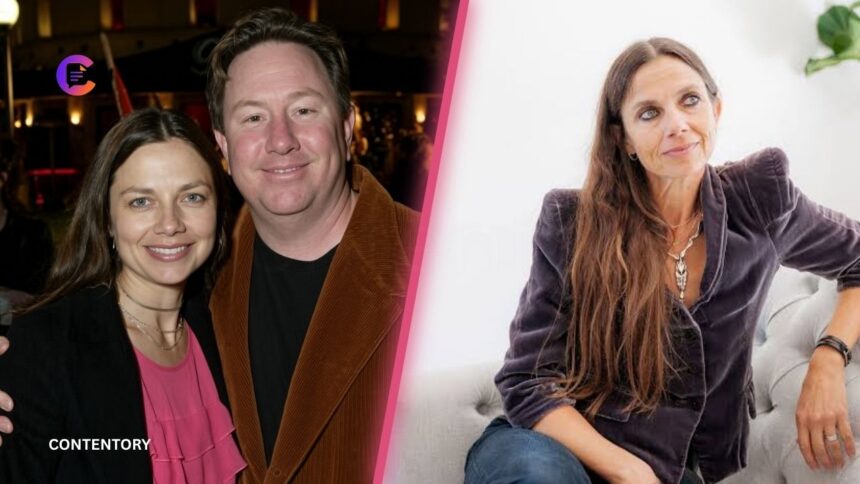


Annaliese Witschak was best known as the first wife of investor and philanthropist George Soros. However, her life story extended far beyond her connection to one of the world’s most recognizable financial figures. Born in Germany in 1934, she experienced profound personal loss during her childhood before moving to the United States and building a new life in New York City. Her experiences shaped a life centered on family, friendship, music, and cultural generosity.
Although her marriage brought her into a prominent social circle, Annaliese maintained a relatively private public profile. She raised three children with Soros and later developed a lasting connection with classical music, supporting young performers and cultural organizations for decades. She also wrote a humorous book about the challenges of hosting dinner parties. Annaliese died in September 2025 at the age of 91, leaving behind a legacy connected to her family, her friendships, and her support for the arts.
Quick Bio of Annaliese Witschak
| Detail | Information |
|---|---|
| Full name | Annaliese Witschak |
| Also known as | Annaliese Soros |
| Date of birth | January 3, 1934 |
| Birthplace | Verden an der Aller, Germany |
| Nationality | German-born American resident |
| Parents | Walter Witschak and Elisabeth |
| Former spouse | George Soros |
| Marriage year | 1960 |
| Separation | 1977 |
| Divorce | 1983 |
| Children | Robert, Andrea, and Jonathan |
| Known for | Family life, classical music patronage, and hosting |
| Book | Dinner Party Disasters: True Stories of Culinary Catastrophe (2007) |
| Date of death | September 5, 2025 |
| Age at death | 91 |
Early Life and Childhood in Germany
Annaliese Witschak was born on January 3, 1934, in Verden an der Aller, a town in northern Germany. Her early years were shaped by the difficult circumstances surrounding World War II and the personal hardships that affected her family. Her father, Walter, died when she was young, and her mother, Elisabeth, worked to support the family. Annaliese later experienced further devastating losses when her mother and brother died within a short period. By the age of 16, she had become an orphan.
Despite these hardships, Annaliese showed an interest in education and music. School offered her opportunities to learn, while a music teacher encouraged her to sing in a chorus and explore the piano. An early visit to the opera left a lasting impression and introduced her to a world that would remain important throughout her life. After her mother’s death, she stopped playing the piano for a time, but music continued to hold personal meaning for her. These formative experiences became part of the story of a woman who later devoted significant energy to supporting musicians.
Moving to Hamburg and Starting an Independent Life
After losing her immediate family, Annaliese faced the challenge of establishing herself as a young adult. Her relatives did not provide the support she needed to attend university, so she pursued secretarial training to prepare for employment. She eventually moved to Hamburg, where she began living more independently and working to support herself. Her early professional experience included secretarial work in publishing and at Shell Oil. These jobs gave her a practical route toward financial independence during a period when she had few family resources to rely on.
Life in Hamburg also allowed Annaliese to pursue interests beyond work. She enjoyed music and dancing, and she used whatever money she could spare to attend concerts. However, she eventually wanted a new beginning beyond Germany. In 1955, at the age of 21, she moved to New York City. The journey across the Atlantic marked a major turning point, taking her away from the country where she had grown up and toward a different future. In New York, she found work as a secretary and keypunch operator for an insurance company, gradually establishing a life in her adopted home.
How Annaliese Witschak Met George Soros
Annaliese met George Soros in 1957, when both were building their lives in the United States after leaving Europe. Soros had arrived in America the previous year, following an earlier period in Britain. Their shared experience of European upheaval and starting over in a new country formed part of the background to their relationship. Annaliese later described falling deeply in love with him, and the relationship developed into a serious partnership.
The couple married in 1960, before Soros became widely known for his financial success and large-scale philanthropy. They began their married life in New York City, first living in Greenwich Village and later on Central Park West. Their home became a gathering place for a variety of guests, including intellectuals, writers, academics, and people involved in social causes. Annaliese played an important role in hosting these gatherings, developing a reputation for hospitality and cooking. Their marriage connected her to an expanding social world, but her own interests and relationships continued to shape her life independently.
Explore More Unique Article: JJ Watt Wife
Marriage, Family Life, and Their Three Children
Annaliese and George Soros had three children: Robert Daniel Soros, Andrea Soros Colombel, and Jonathan Tivadar Soros. Their children were born during the 1960s and early 1970s, as the family established itself in New York. Annaliese devoted considerable attention to raising them and creating a welcoming home. Her obituary described family and close friendships as central to her life, and she worked to build a household where personal relationships mattered alongside the demands of a busy social environment.
Her children eventually developed their own professional and philanthropic interests. Robert became associated with investment and business, Andrea with philanthropic initiatives, and Jonathan with finance and civic engagement. Their public activities have kept the family name in the news, but Annaliese’s own role was not defined solely by their careers. She remained a mother and grandmother whose family connections were an important part of her identity. By the time of her death, she was survived by her three children and nine grandchildren, reflecting the generations that grew from the family she helped raise.
Separation and Life After the Marriage
Annaliese and George Soros separated in 1977. Although their marriage had ended in practice, the two reportedly remained on good terms. Their formal divorce followed in 1983. Public accounts provide limited reliable detail about the private reasons for their separation, so claims about specific disputes or personal motivations should be treated cautiously. What is clear is that their relationship changed while Annaliese continued to build a life beyond the role of Soros’ wife.
After the separation, Annaliese did not seek another marriage. Instead, she focused on her own interests, family, friendships, travel, and cultural activities. She spent time exploring different places and maintained a strong connection with music and the arts. Her later life demonstrated that her story did not end when her marriage did. While Soros became an increasingly prominent public figure, Annaliese continued to make choices that reflected her own priorities, often away from the attention of the media.
Her Work Supporting Classical Music and Young Artists
Music was one of the most enduring interests in Annaliese’s life. The encouragement she received from a teacher during childhood helped introduce her to classical music, and her enthusiasm continued long after she moved to the United States. As an adult, she became a supporter of cultural institutions and emerging performers. Her contribution was particularly significant through Young Concert Artists, an organization that helps talented young classical musicians develop their careers and find performance opportunities.
Annaliese served on the organization’s board for more than 40 years and supported its work in practical and financial ways. A program named the Annaliese Soros Educational Residency Program was endowed in her honor in 2004. She also helped launch the Southampton Performing Arts festival in 1981 and served on the board of Pianofest in the Hamptons. Her involvement extended beyond donations: she welcomed musicians into her home, took an interest in their development, and built long-term relationships with people in the artistic community. This sustained commitment became one of the clearest parts of her personal legacy.
Annaliese Witschak as an Author and Host
Hosting was another important part of Annaliese’s life. During her marriage, she learned to cook and worked to make gatherings at home enjoyable for family members, friends, and guests. Over time, her dinner parties became a notable feature of her social life. Her interest in hospitality was not simply about entertaining influential people; it also gave her a way to bring together individuals from different backgrounds and create lasting connections.
In 2007, Annaliese published Dinner Party Disasters: True Stories of Culinary Catastrophe. The book approached hosting with humor, reflecting the fact that even experienced hosts can face unexpected problems. Rather than presenting herself as someone whose events always went perfectly, she turned the mishaps of entertaining into a source of amusement. The book added an author’s credit to her biography and offered another glimpse of her personality. It also reflected the sociable side of her life, which remained important even as she continued supporting the arts.
Later Years, Death, and Personal Legacy
In her later years, Annaliese continued to maintain close relationships with friends and family while supporting classical music. She regularly attended performances at major New York cultural venues, including Carnegie Hall and the Metropolitan Opera. She also retained a connection with Germany, returning for extended visits and spending time in Berlin, where she could enjoy its concert halls and opera houses. Travel, music, and friendships remained recurring themes in her life long after her marriage ended.
Annaliese Witschak, also known as Annaliese Soros, died on September 5, 2025, at the age of 91. Her published obituary remembered her as a mother, grandmother, music lover, patron, friend, and generous host. Those descriptions offer a broader picture than the label of “George Soros’ first wife” alone. Her life included childhood loss, immigration, family responsibilities, cultural engagement, and decades of support for young performers. Although she was connected to a famous public figure, her own relationships and contributions formed a distinct legacy.
Conclusion
Annaliese Witschak’s story is one of rebuilding, family, and a lifelong connection with music. Born in Germany in 1934, she endured the loss of her immediate family, established herself through work, and moved to the United States as a young woman. Her marriage to George Soros brought her into a prominent family, and together they raised three children. Yet her life cannot be understood through that marriage alone, particularly because she continued to develop her own interests after their separation.
Her support for young classical musicians, long service to cultural organizations, love of hosting, and 2007 book reveal a woman whose influence often took place outside the public spotlight. Annaliese died in 2025, but her contribution to her family and the arts remains an important part of her story. For anyone asking who Annaliese Witschak was, the answer is not only that she was George Soros’ first wife, but also that she was a mother, friend, author, and committed supporter of music.
Frequently Asked Questions About Annaliese Witschak
Who was Annaliese Witschak?
Annaliese Witschak, also known as Annaliese Soros, was a German-born woman best known as George Soros’ first wife. She was also a mother, author, host, and longtime supporter of classical music and young performers.
When was Annaliese Witschak born?
She was born on January 3, 1934, in Verden an der Aller in northern Germany.
When did Annaliese Witschak marry George Soros?
Annaliese Witschak married George Soros in 1960. They had three children together before separating in 1977.
When did Annaliese Witschak and George Soros divorce?
The couple separated in 1977, and their divorce was finalized in 1983.
Get MORE UPDATE: CONTENTORY