
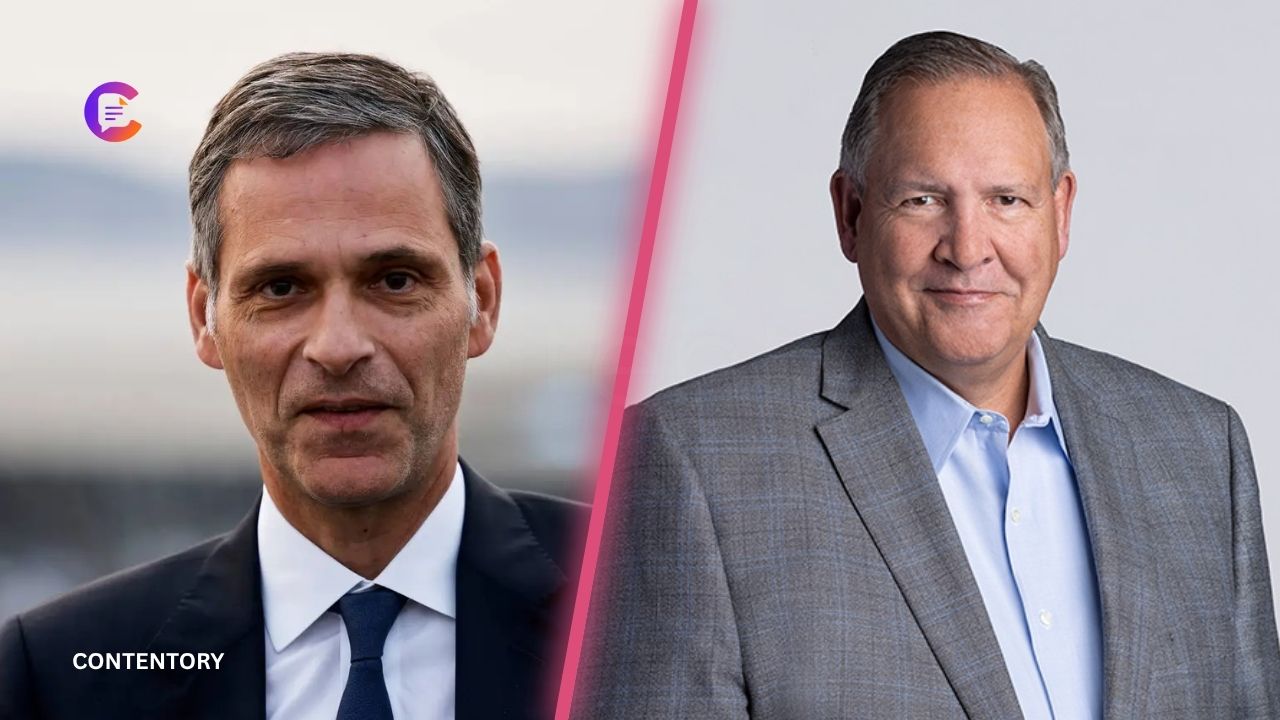
Rodolphe Saadé and Greg Hayes built influential careers in two industries that shape the global economy. Saadé leads CMA CGM, a major shipping and logistics group headquartered in Marseille, France. Hayes previously led RTX, the aerospace and defense company formed through the merger of Raytheon and United Technologies. Their professional journeys reveal how corporate leaders navigate complex operations, international markets, technological change, and long-term business strategy.
Although their industries differ, both executives worked through major organizational transformations. Saadé expanded his family’s shipping business into broader logistics and transportation services. Hayes reshaped an established industrial company before guiding the formation of RTX in 2020. Their leadership stories offer a useful look at how executives manage acquisitions, restructure businesses, and respond to changing commercial demands.
Quick Bio Table Rodolphe Saadé and Greg Hayes
| Detail | Rodolphe Saadé | Greg Hayes |
|---|---|---|
| Full Name | Rodolphe Saadé | Gregory J. Hayes |
| Born | 1970 | 1960 (reported) |
| Birthplace | Lebanon | United States |
| Nationality | French-Lebanese background | American |
| Profession | Business Executive | Business Executive |
| Known For | Leading CMA CGM Group | Leading United Technologies and RTX |
| Current/Former Role | Chairman and CEO of CMA CGM | Former CEO and Executive Chairman of RTX |
| Company | CMA CGM Group | RTX Corporation |
| Industry | Shipping, Transportation, Logistics | Aerospace and Defense |
| Education | Concordia University, BComm in Business and Marketing | Purdue University, Bachelor’s degree in Economics |
| Joined Company | 1994 | Joined United Technologies in 1989 (reported) |
| Became CEO | 2017 | United Technologies CEO in 2014; RTX CEO in 2020 |
| Major Milestones | CEVA Logistics acquisition, air-cargo expansion, logistics diversification | UTC restructuring and 2020 merger that formed RTX |
| Leadership Focus | Global shipping, logistics, digital transformation | Corporate restructuring, aerospace and defense integration |
| Current Status | Continues to lead CMA CGM | Left RTX’s board and Executive Chairman role in April 2025 |
| Official Sources | CMA CGM and Concordia University | RTX and Phillips 66 |
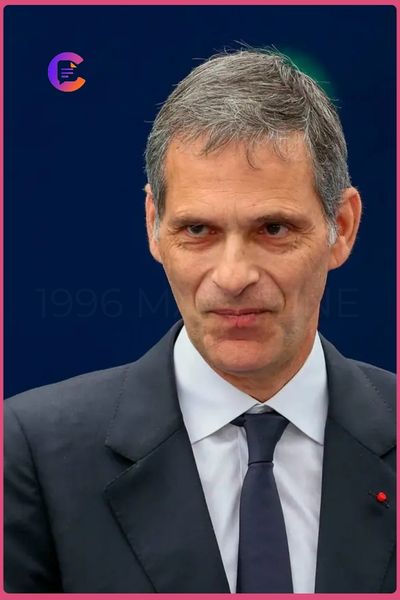
Rodolphe Saadé’s Journey to CMA CGM Leadership
Born in Lebanon in 1970, Rodolphe Saadé studied business and marketing at Concordia University in Montreal. Before joining his family’s shipping company, he founded a water-dispenser business. He joined CMA CGM in 1994 and gained experience across international shipping operations, including roles connected to the United States, Hong Kong, and Asian trade routes. These early assignments helped him understand the commercial and operational challenges of a global transportation business.
Saadé became chairman and chief executive officer of CMA CGM in November 2017. Before that appointment, he held senior management and board positions and worked on important financial and commercial initiatives. His responsibilities included negotiations connected to Neptune Orient Lines and the Ocean Alliance shipping agreement. These experiences helped prepare him to lead a company operating across international supply chains, where customer demand, fuel costs, port capacity, and geopolitical developments can affect business performance.
Expanding CMA CGM Beyond Shipping
One defining feature of Saadé’s leadership has been CMA CGM’s expansion beyond traditional container shipping. The group acquired CEVA Logistics in 2019, strengthening its position in logistics services. It subsequently expanded its activities in air cargo and pursued additional acquisitions across e-commerce, automotive, and last-mile delivery operations. This broader approach allows the company to serve customers across more stages of the transportation process rather than relying exclusively on ocean freight.
Saadé has also promoted digital transformation and investment in new transportation capabilities. CMA CGM launched its air-cargo division in 2021 and has pursued initiatives connected to cleaner shipping technologies. The group has stated a goal of reaching net-zero carbon emissions by 2050. Achieving that ambition will require substantial investment and progress in vessel technology, fuel alternatives, and operational efficiency. These priorities illustrate the balance between commercial expansion and environmental commitments in modern logistics.
Explore Trump And Musk From Political Allies to Public Disagreements
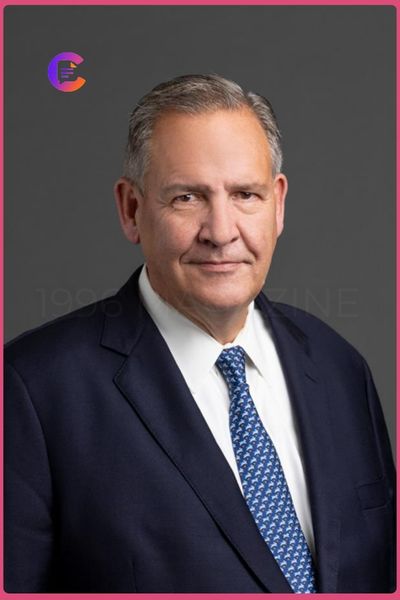
Greg Hayes and the Transformation of RTX
Greg Hayes built his career at United Technologies Corporation, where he held senior positions in finance, corporate strategy, and business development. He became chief executive officer of UTC in 2014 and chairman in 2016. His leadership period included significant portfolio changes, including the separation of Otis and Carrier in 2020. These moves helped reshape the remaining business around aerospace and defense activities before its combination with Raytheon.
In April 2020, UTC’s remaining aerospace businesses merged with Raytheon to create Raytheon Technologies, later renamed RTX. Hayes became its chief executive officer and led the organization through a major period of corporate integration. The company brought together businesses including Pratt & Whitney, Collins Aerospace, and Raytheon. This structure connected aircraft engines, aviation systems, and defense technologies under one corporate umbrella, creating opportunities for collaboration while presenting the challenges of managing a large, complex organization.
Leadership Approaches and Strategic Priorities
Saadé’s strategy emphasizes international trade, logistics integration, acquisitions, and diversification. By expanding CMA CGM into air freight and other supply-chain services, he has sought to build a business that can support customers across multiple transportation channels. Shipping companies must also respond to changing trade patterns, port disruptions, fuel prices, and environmental requirements. These pressures make long-term investment and operational flexibility important parts of the company’s strategic planning.
Hayes’s leadership focused more directly on restructuring an industrial portfolio and integrating major aerospace and defense operations. His tenure involved decisions about business ownership, corporate organization, and the alignment of technology-focused divisions. Such changes can create strategic focus, but they also require careful execution and oversight. Comparing the two executives highlights different routes to corporate transformation: Saadé expanded into adjacent markets, while Hayes helped consolidate and reorganize established industrial businesses.
Influence, Challenges, and Corporate Legacy
Saadé’s influence extends beyond shipping through CMA CGM’s growing presence in logistics and media. The group has invested in French media businesses through CMA Média, adding another dimension to the family’s business interests. This expansion has also drawn public discussion about ownership concentration and editorial independence. These concerns illustrate the wider responsibilities that can accompany corporate growth, especially when a business owner enters industries that play an important role in public information.
Hayes’s corporate legacy centers on restructuring United Technologies and leading the creation of RTX. He stepped down as RTX chief executive in 2024, when Christopher Calio succeeded him. Hayes later left the executive chairman and board roles in April 2025, after which Calio became chairman as well. The transition reflected a planned leadership succession. Hayes’s influence therefore belongs to his period at the company, while RTX’s current strategy rests with its subsequent leadership.
Conclusion
Rodolphe Saadé and Greg Hayes demonstrate how senior executives can influence major industries through strategic decisions and organizational change. Saadé continues to lead CMA CGM as it expands its shipping, logistics, and transportation activities. Hayes’s career at UTC and RTX included corporate restructuring, portfolio changes, and the creation of a major aerospace and defense group.
Their experiences also show that leadership requires more than growth and acquisitions. Executives must manage financial pressures, technological change, environmental responsibilities, and stakeholder expectations. While their approaches reflected different industries and business conditions, both careers illustrate the scale of decisions involved in leading multinational companies. Their long-term impact will be measured by how effectively their organizations sustain performance, adapt to change, and meet the needs of customers and other stakeholders.
Get More Update CONTENTORY