

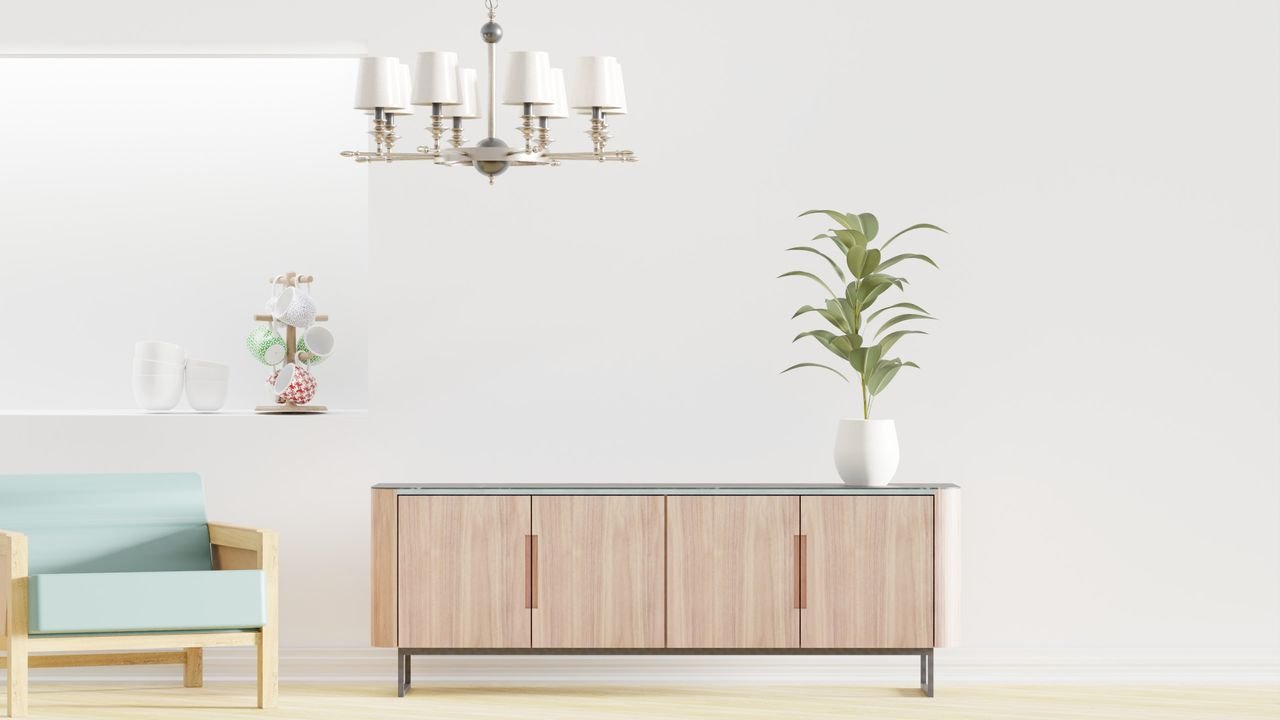
Keeping a home organised while maintaining an attractive interior can sometimes be challenging. Storage furniture plays an important role in achieving both goals, and a sideboard is one of the most versatile options available.
Traditionally used in dining rooms to store crockery, cutlery and serving essentials, sideboards have evolved into practical pieces of furniture suitable for different areas of the home. They combine useful storage with decorative appeal, making them a popular choice for contemporary interiors.
If you are considering adding one to your home, understanding the available styles, sizes and features can help you make the right decision.
What Is a Sideboard Used For?
A sideboard is a storage unit generally featuring cupboards, drawers or a combination of both. It is traditionally positioned against a wall and provides convenient space for household essentials.
In dining rooms, it can hold plates, glasses, tablecloths and serving accessories. In living rooms, it can be used to store books, electronic accessories and decorative items. Some homeowners also use sideboards in hallways to keep everyday belongings organised.
Their versatility means that a single piece of furniture can serve several purposes depending on where it is placed.
Choosing a Modern Sideboard for Your Interior
A modern sideboard can be a practical addition to a contemporary home, offering a balance between storage and style.
Modern designs often feature clean lines, simple handles and understated finishes. These characteristics make them relatively easy to incorporate into different interior styles.
White and neutral-coloured sideboards can help create a bright, uncluttered appearance. Wood-effect finishes introduce warmth, while darker designs can add contrast to lighter rooms.
Before choosing a particular style, consider the furniture and colours already present in your home. A sideboard should complement its surroundings rather than compete with other decorative elements.
Consider the Size and Available Storage
Size is an important factor when purchasing a sideboard. A unit that is too large may dominate a small room, while a smaller design might not provide enough storage for your requirements.
Measure the intended position carefully, including the available wall width and floor space. Remember to account for doors, drawers and nearby furniture when planning the layout.
You should also think about what you intend to store.
- Cupboards are useful for larger household items and dinnerware.
- Drawers provide convenient storage for cutlery, napkins and smaller accessories.
- Open shelving offers space for decorative pieces and frequently used items.
Choosing the right combination will help you make better use of the available storage.
Where Should You Place a Sideboard?
Although dining rooms remain a traditional location, sideboards can work well in several areas.
In a dining room, position the unit near the dining table so that plates and serving accessories are easy to access. In a living room, it can sit against an empty wall and provide a surface for photographs, lamps or decorative ornaments.
A hallway sideboard can also be useful for storing keys, mail and other everyday essentials. However, make sure it does not obstruct movement through the entrance.
The key is to choose a location where the furniture offers genuine practical value.
How to Style Your Sideboard
The top surface of a sideboard provides an opportunity to add personality to your interior.
A table lamp can introduce soft lighting, while a mirror or framed artwork above the unit can create an attractive focal point. You might also use a small vase, a decorative bowl or a few carefully selected accessories.
Avoid filling every available space with ornaments. Leaving some room around decorative objects creates a cleaner appearance and makes the sideboard easier to use.
Frequently Asked Questions
Is a sideboard the same as a buffet unit?
The terms are often used interchangeably. Both generally describe low storage furniture commonly used in dining areas, although individual designs and traditional uses can vary.
Can a sideboard be used in a living room?
Yes. It can provide additional storage for household accessories, books and other items while offering a surface for decorative displays.
What should I look for when buying a sideboard?
Consider its dimensions, storage arrangement, construction, finish and how well it complements your existing furniture.
Final Thoughts
A sideboard is more than just additional storage. It can help organise everyday belongings, make better use of available space and improve the overall appearance of a room.
By considering its size, design and intended purpose before purchasing, you can find a practical piece of furniture that fits naturally into your home.
READ ALSO: What Is Classroom 15x? Exploring the Popular Education Platform