

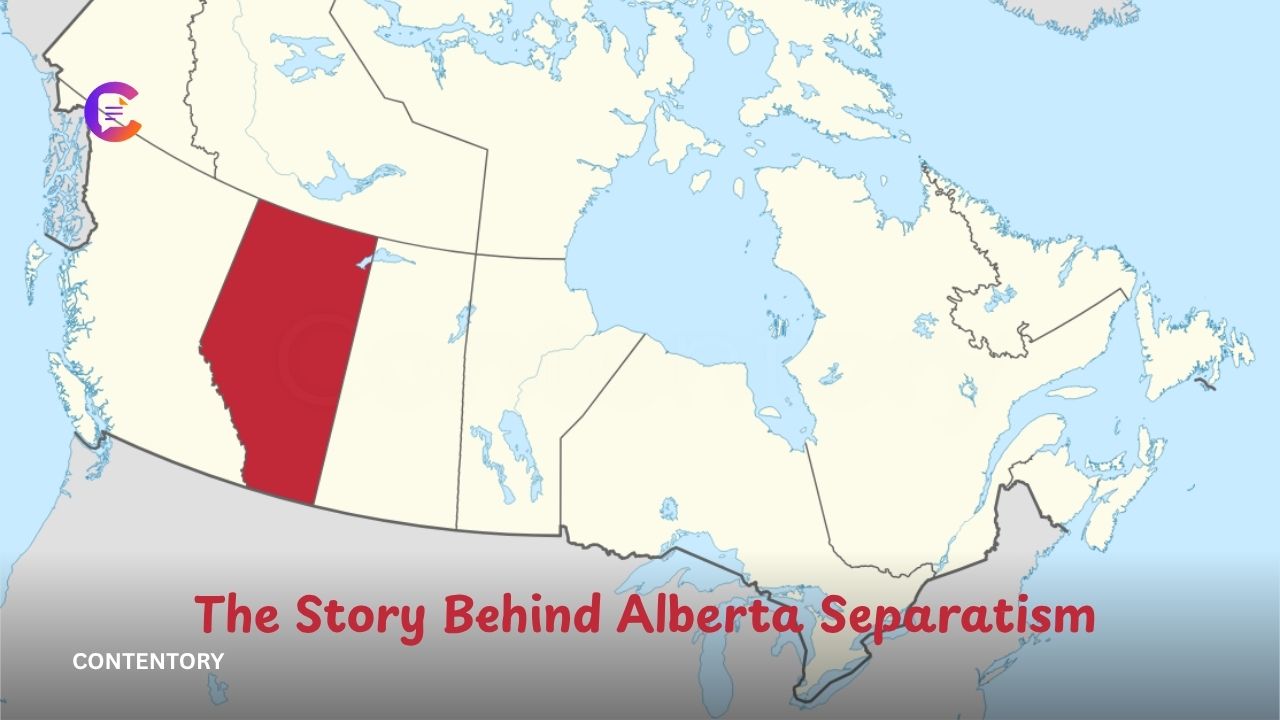
Alberta separatism is a political movement centered on the idea that Alberta could leave Canada and become an independent country. The issue has deep roots in Western Canadian political history, but it has gained renewed attention in 2026. Long-standing disagreements over federal policies, energy development, taxation, regulation, and Alberta’s political influence have contributed to frustration among some residents. At the same time, separatism remains contested, with many Albertans supporting continued membership in Canada or preferring greater provincial autonomy rather than independence.
The debate entered a new stage in 2026 after a citizen initiative seeking an independence referendum collected enough verified signatures to meet Alberta’s statutory threshold. Elections Alberta reported 279,337 valid signatures, well above the required 177,732. Separately, Alberta has scheduled a referendum for October 19, 2026, with a question asking voters whether the government should begin the constitutional process required to hold a binding referendum on separation. The October vote itself is not a direct vote for independence.
What Is Alberta Separatism?
Alberta separatism refers to political advocacy for Alberta leaving Canada and becoming an independent state. The concept is different from demands for provincial autonomy or greater control over areas such as taxation, immigration, natural resources, or policing. Separatists generally argue that Alberta would have greater control over its economic and political affairs outside the Canadian federation. Critics and federalists, meanwhile, emphasize the constitutional, economic, Indigenous, and practical questions that independence would create.
The movement has historically been connected to what is commonly called Western alienation. This term describes a perception among some Western Canadians that federal political institutions do not adequately reflect the region’s interests. Alberta’s resource-based economy has made federal energy and environmental policy especially important to provincial politics. However, Western alienation does not automatically mean support for separation. Many Albertans who criticize Ottawa continue to support Alberta’s place within Canada.
The Historical Roots of Alberta Separatism
Modern Alberta separatism has roots that stretch back decades. Western political dissatisfaction became especially visible during periods when Alberta’s economic interests appeared to conflict with federal priorities. The province’s growing oil industry strengthened its economic importance, while disputes over resource ownership, taxation, and federal decision-making created recurring tensions between Edmonton and Ottawa.
The early 1980s represented an important period for organized separatist politics. The Western Canada Concept advocated separation of Western provinces from Canada, while Gordon Kesler won an Alberta legislative by-election in 1982 as a candidate associated with the movement. In the subsequent provincial election, the Western Canada Concept received nearly 12 percent of the popular vote but failed to win a legislative seat. Its support later declined as federal politics changed.
The National Energy Program and Western Alienation
The National Energy Program, introduced by the federal government in 1980, remains one of the most important historical reference points in discussions about Alberta separatism. The program sought to increase federal involvement in Canada’s energy sector and included measures affecting petroleum pricing, taxation, and energy revenues. Alberta’s government and many residents viewed the policy as an intrusion into the province’s economic interests.
The program became a powerful symbol of Western alienation. Political disagreements over energy policy strengthened perceptions that Ottawa could make decisions with major consequences for Alberta while facing limited political consequences in the province. The experience continued to influence Alberta political culture long after the program ended. Contemporary separatist arguments often refer back to this period when explaining why some Albertans believe the federal system does not adequately protect provincial interests.
Why Has Alberta Separatism Returned in 2026?
The current separatist debate has emerged from several issues rather than one single event. Energy policy, federal environmental measures, taxation, equalization, immigration, and perceptions of political representation have all contributed to discussions about Alberta’s future. Supporters of separation argue that Alberta’s economy and political priorities differ substantially from those of other parts of Canada.
The movement has also gained organizational momentum. A citizen initiative petition seeking an independence referendum was submitted in May 2026. Following a court-related delay, Elections Alberta completed its verification process and announced in July that the petition had met the statutory requirements. The verified total of 279,337 signatures represented a substantial organizational effort, although signatures alone do not establish how Albertans would vote in an independence referendum.
The 2026 Alberta Referendum Question
Alberta’s October 19, 2026 referendum is an important distinction in the current debate. According to Elections Alberta, voters will be asked whether Alberta should remain a province of Canada or whether the Alberta government should commence the legal process required under the Canadian Constitution to hold a binding provincial referendum on separation. The question therefore concerns whether to begin the constitutional process rather than directly declaring independence.
The distinction matters because separation from Canada would involve constitutional and legal questions beyond a single provincial ballot. Even a vote supporting the next step would not itself make Alberta an independent country. Negotiations and constitutional processes would still be required. Elections Alberta also states that the referendum question is not binding, meaning the October vote is a political and procedural step rather than an immediate legal act of secession.
The Main Arguments Made by Separatists
Supporters of Alberta independence generally argue that the province could exercise greater control over its economic resources and political institutions as an independent country. Energy is central to many of these arguments because Alberta possesses substantial oil and natural-gas resources and has historically viewed federal energy policy as a constraint on provincial economic interests.
Separatists also point to political differences between Alberta and Ottawa. They argue that Alberta’s voting patterns, economic structure, and policy preferences can differ from those of Central and Atlantic Canada. From this perspective, independence could allow Alberta to establish its own policies on areas currently shared with or influenced by the federal government. These are political arguments advanced by supporters of the movement, rather than established conclusions about what independence would necessarily produce.
Arguments Against Alberta Separation
Opponents of separation emphasize the practical consequences of creating a new country. Canada and Alberta currently share institutions, markets, infrastructure, currency arrangements, regulatory systems, and constitutional relationships. Independence could therefore require extensive negotiations involving trade, borders, debt, taxation, federal assets, pensions, currency, and other matters.
Another major issue concerns Indigenous rights and treaties. Legal challenges connected with the 2026 petition have raised questions about how Alberta independence would interact with treaty obligations and Indigenous rights. These questions are significant because Alberta’s relationship with First Nations is governed by constitutional and treaty frameworks that would not simply disappear following a provincial vote. Any separation process would therefore involve legal issues extending well beyond provincial politics.
Alberta’s Energy Economy and the Separation Debate
Energy occupies a central place in Alberta’s political identity. Oil and natural gas have played major roles in the province’s economy, government revenues, employment, and relationship with other parts of Canada. Federal environmental regulations and energy policies have therefore generated particularly strong political reactions in Alberta. Separatist advocates often argue that Alberta would have more freedom to develop and export its resources independently.
At the same time, Alberta’s energy industry is deeply connected to Canadian infrastructure and international markets. Oil and other commodities move through transportation systems that cross provincial and national jurisdictions. A change in Alberta’s constitutional status could therefore affect pipelines, trade relationships, regulation, investment, and market access. These practical questions form an important part of the wider debate and cannot be reduced to the question of resource ownership alone.
Danielle Smith and Alberta Separatism
Alberta Premier Danielle Smith has played an important role in the broader debate over Alberta’s relationship with Ottawa, but she has distinguished her government’s position from outright separation. Smith has criticized federal policies and promoted greater provincial authority while publicly opposing Alberta becoming an independent country. Reporting in 2026 has also noted that she has supported cooperation on major economic projects despite ongoing disagreements with the federal government.
This distinction matters because Alberta’s governing United Conservative Party includes people with different views about the province’s constitutional future. Some political figures and activists support independence, while the premier has stated that she does not. As a result, Alberta separatism should not automatically be treated as synonymous with the Alberta government or the United Conservative Party as a whole.
Public Support and the Political Debate
Public support for Alberta independence has varied depending on the question asked, the wording used, and the political circumstances. Reporting in 2026 has cited polling showing that support for outright separation remains a minority position, with some surveys placing it around 30 percent. Poll results can change, however, and different questions can measure support for independence, autonomy, or a future referendum in different ways.
The distinction between support for independence and support for holding a referendum is particularly important. A person may favor giving Albertans the opportunity to vote without necessarily supporting separation itself. Similarly, someone may strongly oppose federal policies while still wanting Alberta to remain within Canada. Understanding these differences helps explain why the separatism debate cannot be measured through a single number or political slogan.
What Would Separation Actually Involve?
A successful vote for separation would not automatically create an independent Alberta the following day. Canada’s constitutional framework would be central to any attempt at secession. Negotiations would likely need to address the division of assets and liabilities, borders, Indigenous rights, citizenship, trade, public institutions, federal programs, and other constitutional matters.
The Supreme Court of Canada’s 1998 Secession Reference established important principles concerning provincial secession. It found that a clear majority on a clear question would create a democratic basis for negotiations, but it did not provide a simple unilateral route for a province to leave Canada. Parliament subsequently adopted the Clarity Act, which establishes federal rules concerning a potential secession process. These legal principles mean that a referendum would be only one part of a much longer process.
Alberta Separatism and Canada’s Future
The current Alberta debate has implications beyond the province because Alberta is one of Canada’s largest energy-producing regions and a major contributor to the national economy. A serious separation process could affect federal-provincial relations, energy markets, investment decisions, transportation infrastructure, and Canada’s broader constitutional debate.
At the same time, the renewed discussion has already influenced Canadian politics by highlighting the continuing challenge of regional alienation. Federal governments and Alberta governments have different tools for addressing disagreements, ranging from negotiations and economic agreements to changes in provincial policy. The separatist movement has therefore become part of a larger conversation about federalism, regional representation, resource development, and the balance of powers within Canada.
What Happens Next?
The immediate focus is the October 19, 2026 referendum. Elections Alberta has confirmed that the ballot will ask Albertans to choose between remaining a province of Canada and beginning the legal process required for a future binding referendum on separation. Because the question is not itself a binding vote for independence, the result would determine the next political step rather than settle Alberta’s constitutional status.
If the process advances, major constitutional, legal, economic, and Indigenous-rights questions would become increasingly important. If it does not advance, debates about Alberta’s relationship with Ottawa are unlikely to disappear entirely. Western alienation has existed for decades and has taken many forms, including demands for greater autonomy and changes to federal policy. The future of Alberta separatism will therefore depend not only on referendum politics but also on how governments and voters address the underlying disagreements.
Conclusion
Alberta separatism is the latest chapter in a much longer story about Western Canadian political identity and Alberta’s relationship with the federal government. The movement gained particular visibility during the disputes surrounding the National Energy Program in the early 1980s and has periodically resurfaced when tensions between Edmonton and Ottawa intensified. In 2026, the issue has reached a new level of political prominence because a citizen initiative concerning independence has successfully passed the signature-verification stage and a separate referendum on the next step has been scheduled.
The central question is therefore larger than whether Alberta supports or opposes separation. It involves debates about federalism, energy policy, provincial autonomy, Indigenous rights, economic relationships, and Canada’s constitutional structure. The October 2026 vote will provide an important indication of how Albertans want the issue handled, but it will not by itself make Alberta independent. Whatever the outcome, the debate demonstrates that questions about regional representation and the balance of power within Canada remain significant parts of the country’s political landscape.
Frequently Asked Questions
What is Alberta separatism?
Alberta separatism is a political movement supporting Alberta leaving Canada and becoming an independent country. It is distinct from movements seeking greater provincial autonomy while remaining within Canada.
Why do some people support Alberta separatism?
Supporters commonly point to disagreements over federal energy policy, taxation, environmental regulation, political representation, and the relationship between Alberta’s economy and federal institutions.
Is Alberta voting to leave Canada in 2026?
Not directly. The October 19, 2026 referendum asks whether Alberta should remain a province or whether the government should begin the legal process required to hold a future binding referendum on separation.
Is the 2026 Alberta referendum binding?
Elections Alberta states that the referendum question concerning separation is not binding. It concerns whether the government should commence the legal process for a future binding referendum.
How did Alberta separatism begin?
Modern Alberta separatism became particularly visible during the Western alienation of the 1970s and 1980s. The National Energy Program of 1980 became a major source of conflict between Alberta and the federal government.
Who is associated with Alberta separatism?
Various activists and organizations have promoted Alberta independence over the years. The movement is not represented by a single political organization or by every Alberta politician who advocates stronger provincial autonomy.
Does Danielle Smith support Alberta separation?
Danielle Smith has publicly opposed Alberta becoming independent while supporting stronger provincial authority and challenging certain federal policies. Her position is therefore different from that of advocates seeking full separation.
How many signatures did the Alberta independence petition receive?
Elections Alberta reported 279,337 valid signatures after verification. The statutory requirement was 177,732 signatures.
Would a vote for separation immediately make Alberta independent?
No. A referendum would not automatically create an independent Alberta. Constitutional negotiations and legal processes would be required, along with discussions involving federal authorities and Indigenous rights.
What is Western alienation?
Western alienation describes a long-standing perception among some Western Canadians that federal political institutions do not sufficiently reflect the region’s economic and political interests. It has contributed to both autonomy movements and separatist politics.
Get More Update CONTENTORY