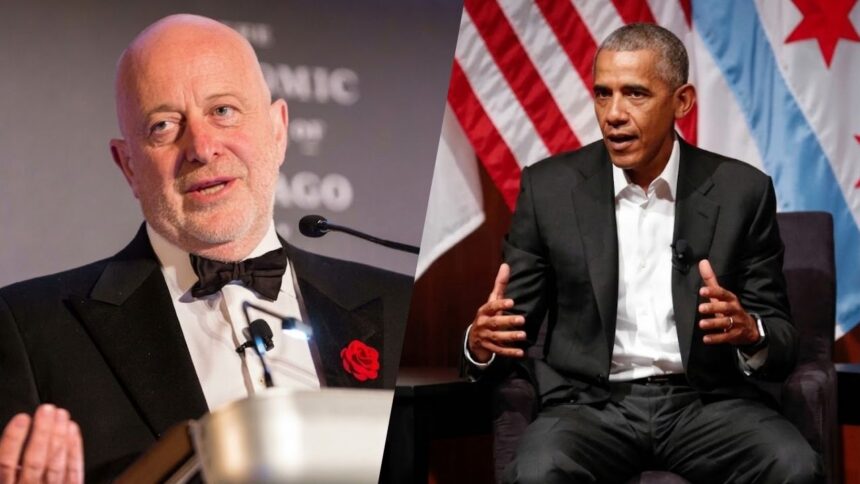

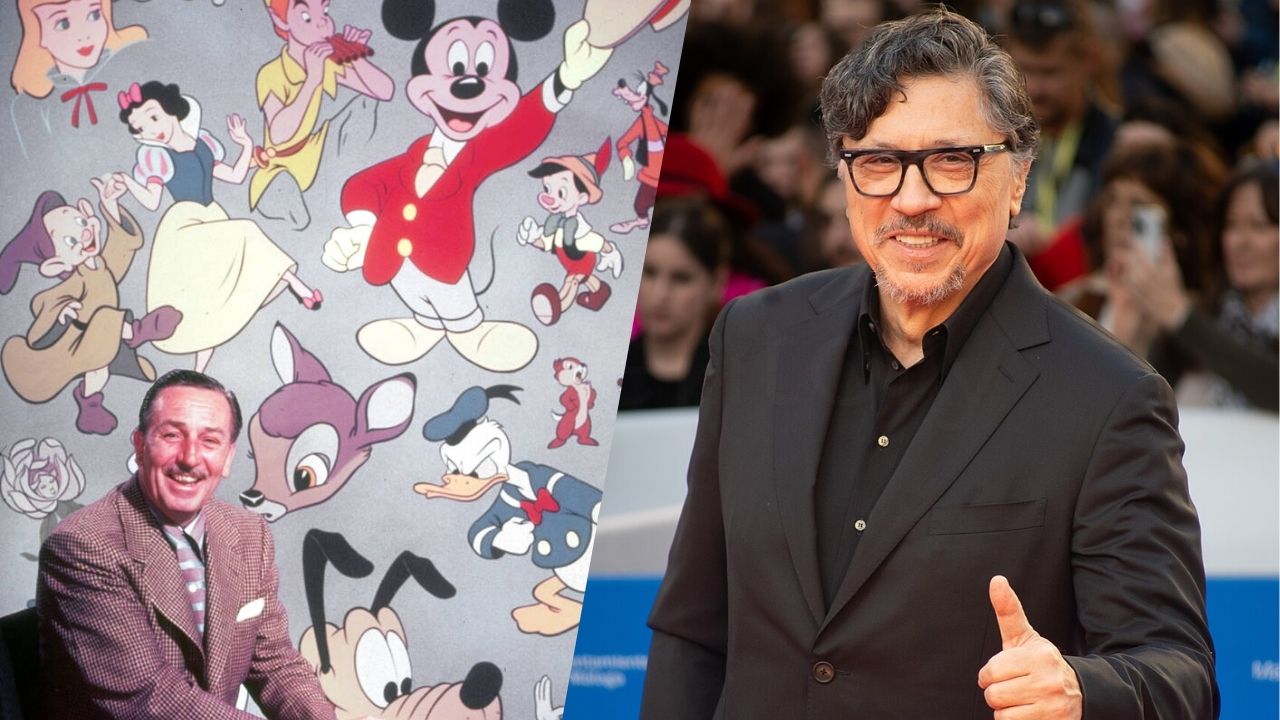
Walt Disney and Javier Bardem represent two very different paths to success in the entertainment industry. Disney became a pioneering animator, film producer, and entrepreneur whose creative vision helped shape modern popular culture. Bardem, meanwhile, established himself as one of Spain’s most respected actors, earning international recognition for performances across Spanish-language and English-language cinema. Although they belong to different generations and creative disciplines, both demonstrate how distinctive artistic visions can influence audiences around the world.
The comparison between Walt Disney and Javier Bardem is not about a shared project or a documented personal relationship. Instead, it offers an opportunity to explore two remarkable entertainment legacies. Disney helped build a global storytelling empire through animation, movies, and theme parks. Bardem built his reputation through complex characters, emotional intensity, and carefully chosen roles. Their careers reveal how entertainment can leave a lasting mark through very different forms of creativity.
Quick Bio Table
| Detail | Walt Disney | Javier Bardem |
|---|---|---|
| Full name | Walter Elias Disney | Javier Ángel Encinas Bardem |
| Date of birth | December 5, 1901 | March 1, 1969 |
| Birthplace | Chicago, Illinois, USA | Las Palmas de Gran Canaria, Spain |
| Nationality | American | Spanish |
| Profession | Animator, producer, entrepreneur | Actor |
| Known for | Mickey Mouse, animated films, Disneyland | No Country for Old Men, Skyfall, Dune |
| Major achievement | Helped establish a global entertainment company | Won the Academy Award for Best Supporting Actor |
| Legacy | Animation, family entertainment, theme parks | International cinema and character acting |
Walt Disney’s Early Life and Creative Ambitions
Walt Disney was born in Chicago, Illinois, on December 5, 1901. He developed an interest in drawing during childhood and continued exploring art as he grew older. His early experiences included commercial illustration and work in animation. After pursuing opportunities in Kansas City, he moved to California in 1923 to develop his ambitions in filmmaking. Those early years involved financial challenges and business setbacks, but they also helped him understand the creative and commercial sides of the entertainment industry.
Disney did not begin with the enormous studio and international brand associated with his name today. He worked with his brother Roy O. Disney, whose business and financial contributions helped sustain their shared ambitions. Together, they established the Disney Brothers Cartoon Studio in 1923. The partnership created a foundation for future growth, combining Walt’s creative direction with Roy’s business management. Their collaboration became an important part of the company’s development and helped turn a small animation operation into a lasting entertainment institution.
How Walt Disney Built an Entertainment Empire
One of Disney’s greatest achievements was his ability to expand animation beyond short cartoons. He recognized that animated storytelling could support full-length feature films and reach audiences through memorable characters, music, humor, and emotional narratives. Snow White and the Seven Dwarfs, released in 1937, became a landmark in American animation. Its success helped demonstrate that audiences would embrace animated features as major theatrical experiences rather than simply short entertainment before a live-action film.
Disney continued expanding into television, live-action filmmaking, and immersive attractions. Disneyland opened in California in 1955, turning the idea of a carefully designed entertainment destination into a major business venture. He also helped develop plans for Walt Disney World in Florida, although he died before that resort opened in 1971. His influence extended beyond individual films because he connected storytelling with technology, merchandising, tourism, and audience experiences. That combination helped establish a business model that continues to shape the entertainment industry.
Mickey Mouse and the Power of Memorable Characters
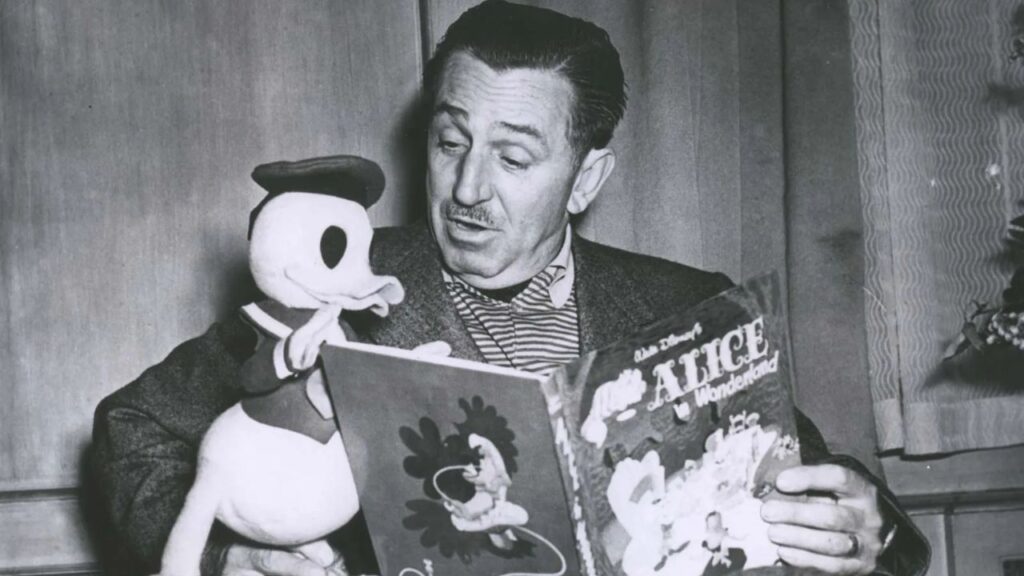
Mickey Mouse became one of Disney’s most recognizable creations and a defining symbol of his career. The character appeared in Steamboat Willie in 1928, a short film widely associated with the early development of synchronized sound in animation. Mickey’s popularity helped the studio gain attention and build a stronger identity. The character also demonstrated how a simple animated figure could become a cultural icon through consistent storytelling, visual design, and carefully managed public exposure.
Disney’s creative legacy includes much more than Mickey Mouse. Films such as Pinocchio, Fantasia, Dumbo, and Bambi helped establish different approaches to animated storytelling. These productions combined artistic experimentation with music, character development, and emotional themes. Disney also benefited from the work of talented artists, animators, musicians, and technicians who contributed to the studio’s output. His legacy therefore reflects both his leadership and the collective work of creative teams that helped turn ambitious ideas into enduring films.
Read Who Is Roman Walker Zelman? Inside Debra Messing’s Son’s Life
Javier Bardem’s Early Life and Family Background
Javier Bardem was born on March 1, 1969, in Las Palmas de Gran Canaria, Spain. He grew up in a family with strong connections to acting and filmmaking. His mother, Pilar Bardem, was an established actress, while his uncle Juan Antonio Bardem became a prominent filmmaker. This environment introduced him to the performing arts early in life. However, Bardem’s later achievements came through his own performances, professional choices, and willingness to explore challenging characters.
Before becoming a globally recognized actor, Bardem developed his career within Spanish cinema. He appeared in films that allowed him to explore different genres and establish his screen presence. His early work attracted attention in Spain and helped him gain opportunities with respected directors. Rather than moving immediately into Hollywood productions, he built his reputation through a series of performances that demonstrated his range. That foundation became important when international filmmakers began offering him increasingly prominent roles.
Javier Bardem’s Breakthrough in International Cinema
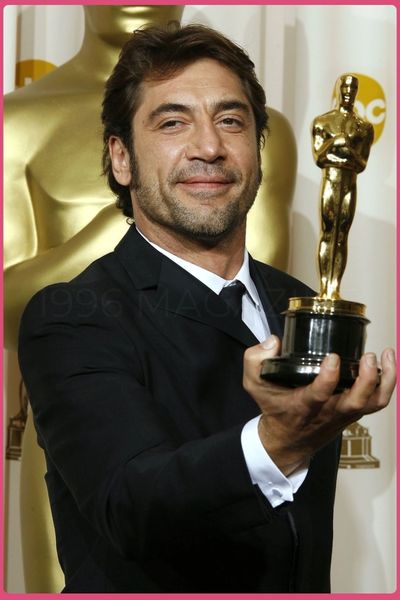
Bardem gained significant international attention for his performance in Before Night Falls (2000), in which he portrayed Cuban writer Reinaldo Arenas. The role earned him an Academy Award nomination for Best Actor and introduced his work to a broader international audience. His portrayal required emotional depth and a strong understanding of a real person’s difficult experiences. The performance demonstrated that Bardem could carry a demanding dramatic role while working within an international production.
His career reached another major milestone with No Country for Old Men (2007), directed by Joel and Ethan Coen. Bardem played Anton Chigurh, a menacing and unpredictable character whose quiet manner made him especially unsettling. The performance earned him the Academy Award for Best Supporting Actor at the 2008 ceremony. The role became one of his most widely recognized performances and established his reputation in Hollywood. It also showed how a carefully controlled performance could create a lasting impression without relying on exaggerated emotion.
From Skyfall to Dune: Bardem’s Expanding Film Career
Following his Oscar-winning performance, Bardem continued moving between major studio productions and more intimate dramatic films. In the James Bond film Skyfall (2012), he played Raoul Silva, a calculating antagonist who challenged Daniel Craig’s version of the famous spy. Bardem brought an unusual mixture of charm, theatricality, and menace to the role. His appearance helped demonstrate that he could adapt his acting style to the demands of a large franchise without abandoning the distinctive qualities of his performances.
Bardem later joined the world of science fiction with Dune (2021), directed by Denis Villeneuve. He portrayed Stilgar, a leader among the Fremen whose responsibilities connect political judgment with survival and community. The role placed him within a large ensemble cast and introduced his work to another generation of moviegoers. Across films such as Biutiful, Vicky Cristina Barcelona, and Being the Ricardos, Bardem has continued to balance international projects, independent-minded dramas, and mainstream entertainment.
Explore Exploring Elvis Presley and Joaquin Duato Fame, Business, and Influence
Two Different Approaches to Storytelling
Disney’s creative approach centered on building stories, characters, and worlds that could reach broad audiences. Animation allowed his studio to create visual experiences that live-action filmmaking could not easily reproduce at the time. Music, comedy, fantasy, and emotional conflict helped make these films accessible to children and adults. His business ambitions also encouraged the development of related experiences, including television programs, consumer products, and theme parks. Disney’s work connected entertainment with a larger ecosystem built around recognizable stories and characters.
Bardem’s approach focuses more directly on the interpretation of individual characters. He often builds performances through physical presence, vocal choices, emotional restraint, and an understanding of a character’s motivations. His roles range from sympathetic figures to deeply unsettling antagonists. Rather than creating a single entertainment universe, he moves between projects that demand different skills and perspectives. This flexibility has allowed him to work with filmmakers across countries and genres while maintaining a distinctive screen identity.
Awards, Recognition, and Professional Influence
Walt Disney earned extraordinary recognition during his career. The Television Academy records 22 competitive Academy Awards among his honors, along with numerous other distinctions. His achievements reflected both his filmmaking work and his broader influence on the entertainment business. Disney’s legacy also lives through the studios, parks, and characters associated with his name. Although his company continued developing long after his death in 1966, his early innovations helped establish the foundation for its later expansion.
Bardem’s awards reflect a different kind of achievement. His Academy Award for No Country for Old Men placed him among a select group of internationally recognized actors. He has also received major European film honors, including Goya Awards, and earned praise at international festivals. His career shows that language and national origin need not restrict an actor’s reach. By moving between Spanish-language cinema and Hollywood productions, Bardem has helped demonstrate the value of international talent in a global film industry.
Their Cultural Impact Beyond Individual Films
Disney’s influence reaches beyond the movies he personally produced. His name became associated with a recognizable approach to family entertainment, animated storytelling, and imaginative attractions. The company he helped establish now operates across film, television, streaming, and destination experiences. Its modern scale reflects decades of decisions by many executives and creative teams, not only Disney’s original work. Nevertheless, his early vision remains central to the company’s identity and to the history of commercial animation.
Bardem’s cultural influence works through performance and representation. His international career has helped Spanish actors gain visibility in major English-language productions while maintaining links to European cinema. He has portrayed writers, criminals, historical figures, and fictional leaders, often choosing characters with complex emotional or moral dimensions. His success also highlights the importance of collaboration between actors, directors, writers, and production teams. Rather than building a brand around one fictional world, he has created a career defined by variety and professional credibility.
What Walt Disney and Javier Bardem Have in Common
Despite their different careers, Disney and Bardem share a commitment to the power of storytelling. Both understand that audiences remember entertainment when it creates strong emotional responses. Disney used animation and imaginative worlds to make stories accessible to millions of people. Bardem uses performance to make fictional or historical characters feel psychologically convincing. Their methods differ, but each demonstrates how carefully developed creative work can remain relevant long after a film reaches theaters or a production ends.
They also illustrate the importance of collaboration in entertainment. Disney worked with artists, animators, musicians, engineers, and business partners to develop his ideas. Bardem relies on directors, screenwriters, fellow actors, and production crews to shape each role. Neither legacy can be reduced to a single individual working alone. Their careers show that artistic vision matters most when it connects with the skills of others and reaches audiences in meaningful ways.
Conclusion
Walt Disney and Javier Bardem have made distinct contributions to entertainment. Disney helped transform animation into a major creative and commercial force, while Bardem earned international acclaim through performances that demonstrate range, intensity, and emotional complexity. Their careers belong to different eras and follow different professional paths, but both have influenced how audiences experience stories. Comparing them offers a useful reminder that entertainment does not depend on one formula. It can thrive through imaginative worlds, memorable characters, ambitious filmmaking, and powerful acting.
There is no need to assume that Disney and Bardem shared a direct professional connection to appreciate their significance. Disney’s legacy rests on animation, family entertainment, and the institution built around his vision. Bardem’s legacy continues to develop through his performances and international film projects. One helped shape an entertainment empire; the other has built a respected career across diverse cinematic traditions. Together, their stories show how different talents can leave lasting marks on the same broad cultural landscape.
Frequently Asked Questions
Who was Walt Disney?
Walt Disney was an American animator, film producer, and entrepreneur who helped establish The Walt Disney Company. He became famous for Mickey Mouse, animated feature films, and the creation of Disneyland.
Who is Javier Bardem?
Javier Bardem is a Spanish actor known for films including No Country for Old Men, Skyfall, Biutiful, and Dune. He has earned major international awards for his performances.
Are Walt Disney and Javier Bardem related?
There is no credible public evidence that Walt Disney and Javier Bardem are related. They came from different generations and family backgrounds.
Did Walt Disney and Javier Bardem work together?
No documented collaboration connects them. Disney died in 1966, before Bardem became an established film actor.
What is Walt Disney best known for?
Disney is best known for helping create Mickey Mouse, producing groundbreaking animated films, and establishing Disneyland. His work helped shape modern family entertainment.
Which movie won Javier Bardem an Oscar?
Bardem won the Academy Award for Best Supporting Actor for playing Anton Chigurh in No Country for Old Men. The award was presented in 2008.
Was Javier Bardem in a Disney movie?
Bardem has appeared in films produced by major studios, but his best-known roles include No Country for Old Men, Skyfall, and Dune. A specific Disney association should be checked against official film credits before making a claim.
Get More Update CONTENTORY